
20 Insightful Quotes About Buy French Bulldog Puppies
페이지 정보

본문
Why You Shouldn't Buy French Bulldog Puppies
Frenchies are becoming very popular as they adapt well to urban lifestyles and are easy-going dogs. Popularity draws bad breeders who place profit ahead of health.
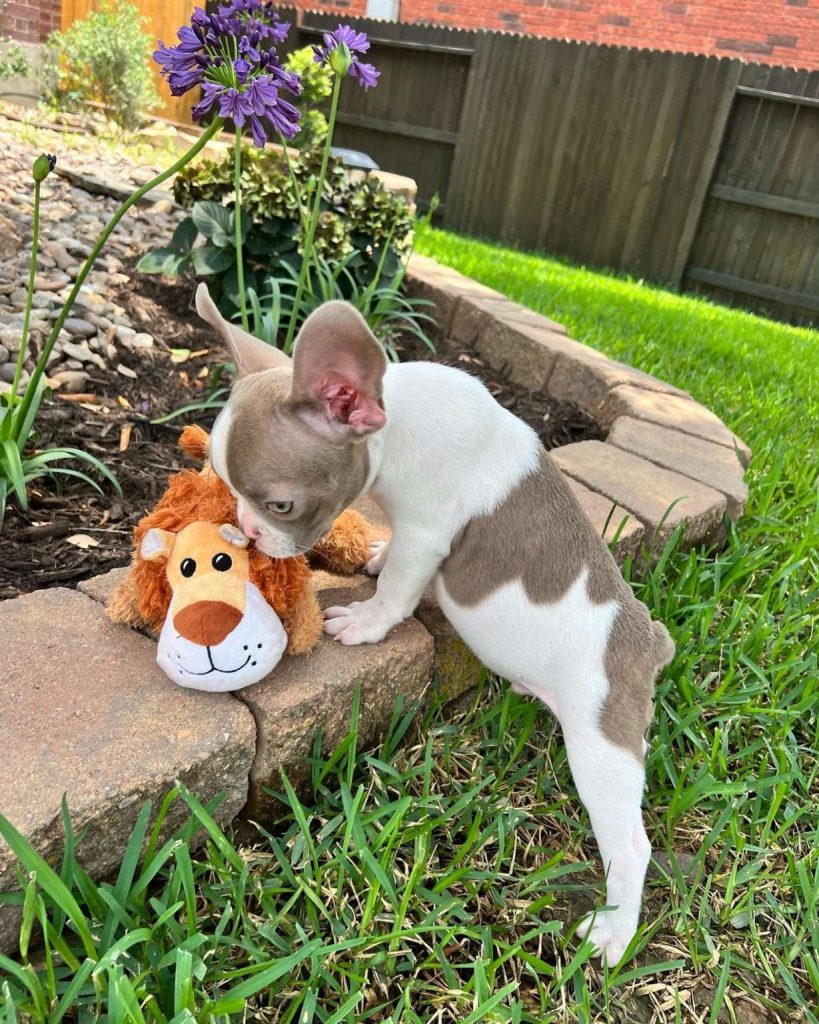 Find a responsible breeder that has tested their breeding dogs for DNA and who is able to provide complete documents. These records will indicate if the parents had any genetic disease that may be passed on to their puppies.
Health Care
Frenchies may be afflicted with a variety of health problems, including those with genetic causes, such as respiratory and heart problems. These issues cannot always be prevented however there are ways to minimize the chance of developing. For your French bulldog, Franz französische bulldogge kaufen französische bulldogge kaufen [https://www.graphicscience.jp] a balanced diet, regular wellness exams, and coverage by insurance for pets are essential.
When choosing when choosing a Frenchie puppy, it's important to choose breeders who value health and wellbeing. Breeders who are ethical will DNA test their dogs, and provide a complete health history for every puppy. They also follow an exact breeding plan and ensure that their puppies are up-to-date on vaccinations and veterinary examinations. It is also important to be attentive to how the littermates interact with one with each other. Playfulness and social behavior are good signs, while aggressiveness or shyness could suggest a problem with their behavior.
It's essential to take your new Frenchie to a check-up with the vet as soon as you can. The vet will examine the puppy's health and give you an array of tips for keeping it happy and healthy. During the exam, your veterinarian will listen with a stethoscope to the chest of your puppy and look for any abnormalities.
Frenchies are prone to respiratory problems due to their nasal airways being smaller and shorter. They can also experience gastrointestinal issues, including food allergies or chronic diarrhea. A blocked tear duct is another common issue for this breed, which can be corrected with surgery.
Frenchies might develop pyoderma or skin fold dermatitis due to the additional skin rolls on their faces. If not kept clean and dry, these irritations can lead to bacterial infections. It is also important to avoid excessive exercise, as it can exacerbate the symptoms of these ailments.
When it is time to get pet insurance, you'll want to choose a plan that will cover the medical conditions Frenchies are most prone to developing. You can find a policy that fits your budget by using Pawlicy Advisor to instantly compare quotes from top-rated providers. You can tailor your plan with a variety of deductibles and reimbursement options to meet the needs of your Frenchie.
Training
Frenchies are people-pleasers and can be trained to respond to their owner's commands. Training early can help prevent future behavioral issues like excessive chewing or separation anxiety. They are a bit stubborn, but not difficult to train. A crate that is properly sized can help your Frenchie relax and feel at ease, using their natural instinct to hide. You can encourage this by taking them on bathroom breaks and teaching them to remain in the crate during quiet times or when you are busy.
The French Bulldog requires some daily maintenance, including nail trimmings and cleaning the ear. They are susceptible to gum disease and will need regular dental care by a vet to avoid painful complications in adulthood.
Because Frenchies are brachycephalic, also known as flat-faced dogs. They are unable to breathe as easily as long nosed breeds and can overheat quickly during intense exercise or in hot weather. Avoid playing or training in warm areas. Instead short walks or indoor activities will give your dog the exercise your dog needs without overdoing.
Frenchies aren't naturally runners, but they do love playing games like fetch and can be taught to walk on a leash with gentle encouragement. They are also very good in dog sports such as agility and can be extremely competitive.
The ability to teach your Frenchie to be able to come when you call them is a crucial ability that could save their life should they become lost or injured. Like all training positive reinforcement is the best approach. If your Frenchie is not motivated by toys or food, he may resort to self-employment tasks like climbing into your recycling bin or engaging in other snares. Teach them self-control exercises as they grow older. A strop by an angry puppy is hard to undo once it is learned. This will prevent them from getting injured or requiring costly surgery as adults. Socialization is a great method to avoid these problems. Make sure that your Frenchie is exposed to different surroundings and also interacts with other dogs as they develop.
Exercise
Frenchies are a friendly, affectionate puppies who love to play with their owners. They are highly social and trainable, which makes them a great fit for families of all sizes and age. A consistent training schedule will not only help your Frenchie develop obedience skills and learn new techniques, but it will also strengthen the bond you share with them, leading to an overall healthier, happier dog.
Due to their narrow noses, Frenchies can experience difficulty breathing during exercise and are susceptible to overheating. Avoid strenuous activities during humid or hot conditions to ensure their health. Additionally, they could develop joint problems, so it's important to monitor their level of activity and take breaks when needed.
Wait until your French Bulldog puppy is at least six months old before you introduce them to the outdoors. Focus on indoor activities like hide and search and fetch until. These games are great for exercise and can aid in working on reducing resource guarding (try to teach your Frenchie that letting go of their toys will bring incredible rewards).
Start by taking your dog for an outing around the yard or around the house once they are ready to leave. This will improve their spatial awareness and help them learn to remain close to you while on a lead. It is possible to eventually progress to formal lead walking with the harness and collar. This is a vital ability for your Frenchie as it can help keep them from chasing other dogs or getting into situations they shouldn't.
Frenchies are not well-known for their swimming skills and their heavy head builds can make them more vulnerable to drowning. They can learn to swim with your assistance and supervision. It's also a good idea to have your Frenchie wear a life vest whenever they're in water, even if just going for a brief swim. This will keep your Frenchie secure in the event they fall into the water, or get knocked down by a boat.
Care of Children
Frenchies are extremely social dogs and thrive on human companionship. They love walking with their families, going to cafes and spending time at home, curled up on the couch. They can adjust to a busy lifestyle but will need to be told what is expected from them. They are great for families that have children, FranzöSische Bulldoggen Kaufen as long as they are able to communicate with them. Children should be supervised and offered small treats when playing with Frenchies in order to prevent them from getting too hyper or aggressive. They will benefit from early socialisation with children and should be introduced to them from an early age so that they see the child as a member of the family, rather than an adversary fighting over attention.
Because of their short snout, Frenchies are prone to developing breathing issues, like brachycephalic airway syndrome (BOAS). This condition can lead to wheezing or difficulty breathing. It is crucial to have your Frenchie examined by a vet regularly. Also, ensure that they are eating a balanced diet and not being overfed.
Patellar luxation is yet another common health issue that can be found in this breed. This is a condition where the kneecap is slipping out of position, typically when your pup is running or jumping. It could be minor and not require any treatment other than pain relief or it could be more serious. In severe instances, surgery to correct the kneecap's position could be required.
It's important to be aware that French Bulldogs are susceptible to allergies, just like humans. They're particularly susceptible to allergic reactions to pollens as well as dust and mold. They can also develop a skin allergy, known as atopy. It causes their belly, feet and skin folds itchy. This is caused by the immune response to environmental triggers. It isn't easy to control.
 If you are buying a puppy look for a Kennel Club Assured Breeder as they have been through additional health screening and met higher standards of breeding. Ask a potential breeder for their vaccination schedule, and ensure that the puppies are raised in a safe atmosphere with lots of early socialization.
Frenchies are becoming very popular as they adapt well to urban lifestyles and are easy-going dogs. Popularity draws bad breeders who place profit ahead of health.
Find a responsible breeder that has tested their breeding dogs for DNA and who is able to provide complete documents. These records will indicate if the parents had any genetic disease that may be passed on to their puppies.Health Care
Frenchies may be afflicted with a variety of health problems, including those with genetic causes, such as respiratory and heart problems. These issues cannot always be prevented however there are ways to minimize the chance of developing. For your French bulldog, Franz französische bulldogge kaufen französische bulldogge kaufen [https://www.graphicscience.jp] a balanced diet, regular wellness exams, and coverage by insurance for pets are essential.
When choosing when choosing a Frenchie puppy, it's important to choose breeders who value health and wellbeing. Breeders who are ethical will DNA test their dogs, and provide a complete health history for every puppy. They also follow an exact breeding plan and ensure that their puppies are up-to-date on vaccinations and veterinary examinations. It is also important to be attentive to how the littermates interact with one with each other. Playfulness and social behavior are good signs, while aggressiveness or shyness could suggest a problem with their behavior.
It's essential to take your new Frenchie to a check-up with the vet as soon as you can. The vet will examine the puppy's health and give you an array of tips for keeping it happy and healthy. During the exam, your veterinarian will listen with a stethoscope to the chest of your puppy and look for any abnormalities.
Frenchies are prone to respiratory problems due to their nasal airways being smaller and shorter. They can also experience gastrointestinal issues, including food allergies or chronic diarrhea. A blocked tear duct is another common issue for this breed, which can be corrected with surgery.
Frenchies might develop pyoderma or skin fold dermatitis due to the additional skin rolls on their faces. If not kept clean and dry, these irritations can lead to bacterial infections. It is also important to avoid excessive exercise, as it can exacerbate the symptoms of these ailments.
When it is time to get pet insurance, you'll want to choose a plan that will cover the medical conditions Frenchies are most prone to developing. You can find a policy that fits your budget by using Pawlicy Advisor to instantly compare quotes from top-rated providers. You can tailor your plan with a variety of deductibles and reimbursement options to meet the needs of your Frenchie.
Training
Frenchies are people-pleasers and can be trained to respond to their owner's commands. Training early can help prevent future behavioral issues like excessive chewing or separation anxiety. They are a bit stubborn, but not difficult to train. A crate that is properly sized can help your Frenchie relax and feel at ease, using their natural instinct to hide. You can encourage this by taking them on bathroom breaks and teaching them to remain in the crate during quiet times or when you are busy.
The French Bulldog requires some daily maintenance, including nail trimmings and cleaning the ear. They are susceptible to gum disease and will need regular dental care by a vet to avoid painful complications in adulthood.
Because Frenchies are brachycephalic, also known as flat-faced dogs. They are unable to breathe as easily as long nosed breeds and can overheat quickly during intense exercise or in hot weather. Avoid playing or training in warm areas. Instead short walks or indoor activities will give your dog the exercise your dog needs without overdoing.
Frenchies aren't naturally runners, but they do love playing games like fetch and can be taught to walk on a leash with gentle encouragement. They are also very good in dog sports such as agility and can be extremely competitive.
The ability to teach your Frenchie to be able to come when you call them is a crucial ability that could save their life should they become lost or injured. Like all training positive reinforcement is the best approach. If your Frenchie is not motivated by toys or food, he may resort to self-employment tasks like climbing into your recycling bin or engaging in other snares. Teach them self-control exercises as they grow older. A strop by an angry puppy is hard to undo once it is learned. This will prevent them from getting injured or requiring costly surgery as adults. Socialization is a great method to avoid these problems. Make sure that your Frenchie is exposed to different surroundings and also interacts with other dogs as they develop.
Exercise
Frenchies are a friendly, affectionate puppies who love to play with their owners. They are highly social and trainable, which makes them a great fit for families of all sizes and age. A consistent training schedule will not only help your Frenchie develop obedience skills and learn new techniques, but it will also strengthen the bond you share with them, leading to an overall healthier, happier dog.
Due to their narrow noses, Frenchies can experience difficulty breathing during exercise and are susceptible to overheating. Avoid strenuous activities during humid or hot conditions to ensure their health. Additionally, they could develop joint problems, so it's important to monitor their level of activity and take breaks when needed.
Wait until your French Bulldog puppy is at least six months old before you introduce them to the outdoors. Focus on indoor activities like hide and search and fetch until. These games are great for exercise and can aid in working on reducing resource guarding (try to teach your Frenchie that letting go of their toys will bring incredible rewards).
Start by taking your dog for an outing around the yard or around the house once they are ready to leave. This will improve their spatial awareness and help them learn to remain close to you while on a lead. It is possible to eventually progress to formal lead walking with the harness and collar. This is a vital ability for your Frenchie as it can help keep them from chasing other dogs or getting into situations they shouldn't.
Frenchies are not well-known for their swimming skills and their heavy head builds can make them more vulnerable to drowning. They can learn to swim with your assistance and supervision. It's also a good idea to have your Frenchie wear a life vest whenever they're in water, even if just going for a brief swim. This will keep your Frenchie secure in the event they fall into the water, or get knocked down by a boat.
Care of Children
Frenchies are extremely social dogs and thrive on human companionship. They love walking with their families, going to cafes and spending time at home, curled up on the couch. They can adjust to a busy lifestyle but will need to be told what is expected from them. They are great for families that have children, FranzöSische Bulldoggen Kaufen as long as they are able to communicate with them. Children should be supervised and offered small treats when playing with Frenchies in order to prevent them from getting too hyper or aggressive. They will benefit from early socialisation with children and should be introduced to them from an early age so that they see the child as a member of the family, rather than an adversary fighting over attention.
Because of their short snout, Frenchies are prone to developing breathing issues, like brachycephalic airway syndrome (BOAS). This condition can lead to wheezing or difficulty breathing. It is crucial to have your Frenchie examined by a vet regularly. Also, ensure that they are eating a balanced diet and not being overfed.
Patellar luxation is yet another common health issue that can be found in this breed. This is a condition where the kneecap is slipping out of position, typically when your pup is running or jumping. It could be minor and not require any treatment other than pain relief or it could be more serious. In severe instances, surgery to correct the kneecap's position could be required.
It's important to be aware that French Bulldogs are susceptible to allergies, just like humans. They're particularly susceptible to allergic reactions to pollens as well as dust and mold. They can also develop a skin allergy, known as atopy. It causes their belly, feet and skin folds itchy. This is caused by the immune response to environmental triggers. It isn't easy to control.
If you are buying a puppy look for a Kennel Club Assured Breeder as they have been through additional health screening and met higher standards of breeding. Ask a potential breeder for their vaccination schedule, and ensure that the puppies are raised in a safe atmosphere with lots of early socialization.- 이전글Safe Online Slot Gambling Detail 135166865789653 25.01.20
- 다음글The Importance of Online Betting Verification: Ensuring Safe and Fair Play 25.01.20
댓글목록
등록된 댓글이 없습니다.