
The 10 Scariest Things About Gas Safety Certificate And Boiler Service
페이지 정보

본문
 Landlord Gas Safety Certificate and Boiler Service
As a landlord, it is your responsibility to ensure that all gas appliances chimneys, flues and chimneys are inspected every year. It is also your responsibility to provide a copy to your tenants.
If the engineer considers that any installation or appliance is immediately dangerous, they will request permission to cut off the supply of gas and recommend the installation of inspection hatches.
What is what is a Gas Safety Certificate (GSC)?
A gas safety certificate issued by a landlord is an official document that confirms that all gas appliances and flues within the property that is rented have been inspected by an experienced gas engineer. Landlords are required to arrange the gas check for each rental property that they own at least once per year. Gas Safe registered engineers carry out the inspection and check that all pipes, appliances and flues comply with safety regulations.
The law also requires landlords to give tenants a copy of the CP12 Gas Safety Certificate, (Gas Safety Record) at the time of each annual inspection and test for gas safety. The document should be handed out to tenants within 28 days following the Gas Safety Inspection and to new tenants at the beginning of their tenure.
CP12 is an abbreviation for the CORGI Proforma 12 which was used by the Council for Registered Gas Installers (CORGI) before being replaced by the Gas Safe Register in 2009. The form outlines the date of the most recent gas inspections and tests, the results, any actions that need to be taken, as well as the name and title of the engineer who performed the inspection.
If the Gas Safety check highlights any problems with a gas device, the engineer will advise on what must be done to ensure it is safe for use. If an appliance is deemed Immediately Dangerous, or Abnormally lethal, the gas supply must be turned off until the issue has been resolved.
If a tenant is unwilling to allow access for gas safety checks to be carried out, it is a criminal offence. If needed, a landlord can ask the courts for a court order to prohibit the tenant from refusing to allow gas safety checks. However, it is more common to send a letter that clarifies why the checks are important and what's required. This will encourage a reluctant tenant to give access, and in the event that they do otherwise, the landlord could have to think about starting the eviction process.
how long does a gas safety certificate last often should I renew my Gas Safety Certificate?
The landlords and letting agencies are required by law to conduct an annual gas safety certificate and boiler service safety check on all gas appliances and flues that are supplied to their tenants. This is to ensure that their equipment is safe for use and that there aren't any gas leaks in the property. This is a crucial responsibility for landlords and they should ensure that they have their gas inspections completed by a certified gas engineer.
The Gas Safety Certificate (formerly the Gas Safety Check Record) is a legal document that confirms that a gas inspection has been completed by a qualified engineer within the past 12 months. It is issued by the landlord, and should be provided to the tenant to verify the security of the gas supply. It is valid for 12 months and has to be renewed annually.
A landlord who fails to provide an Gas Safety Certificate for their tenants could be penalized. Gas Safety checks must be completed by landlords in time. They should also keep a copy of the certificate in the event that tenants request it.
It's also an excellent idea for landlords to install inspection hatches on all gas appliances, to allow engineers to easily access them for inspections every year. If the appliance is found to be 'at risk' during an inspection, the engineer will formally classify it as such and will shut off the boiler and recommend that tenants not to use it until the inspection hatch has been installed.
Landlords must also give tenants at least 24 hours' notice prior entering the property to conduct Gas Safety Checks. This gives tenants time to prepare for the visit and give permission, if required. If a tenant does not allow the engineer entry the landlord must inform them why the engineer is required and what will happen if they don't comply. If the tenant does not allow the engineer entry, the landlord could think about evicting the tenant in accordance with section 21 of the 1988 Housing Act.
What happens if you don't have a Gas Safety Certificate?
It is the legal responsibility of landlords to ensure that their property is equipped with an approved gas safety certificate prior to the time tenants move into. Failing to do so is an offence that can result in landlords being charged and liable to heavy fines. The regulations also state that landlords must provide an electronic copy of the gas safety certificate to their tenants upon request.
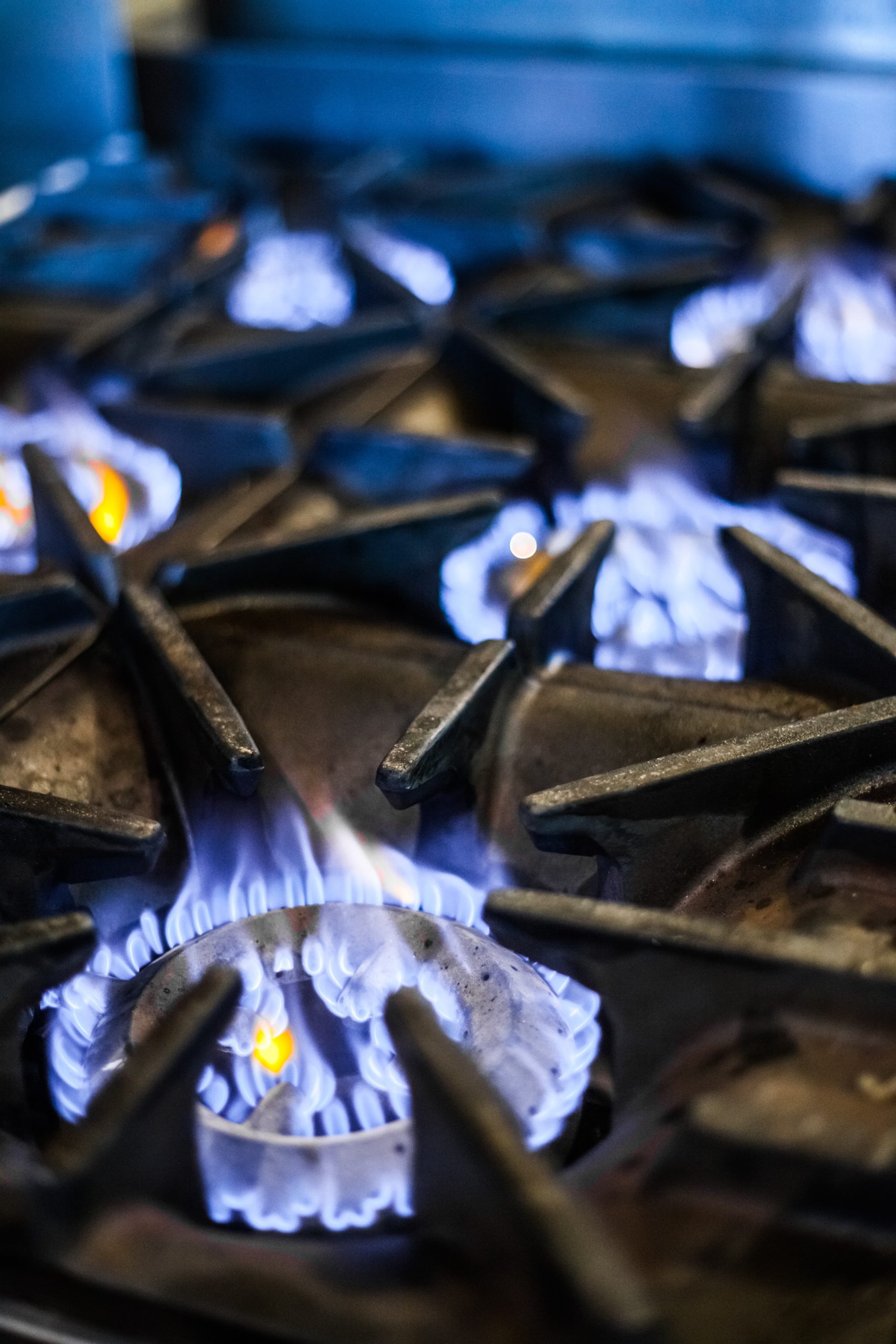 Landlords must have an Gas Safe registered engineer visit their rental property for an inspection of all gas appliances. During the inspection, the engineer will note any issues that may present a danger to tenants. They will issue a CP12 gas safety document, which is also known as the Landlord Gas Safety Record or a Gas Safety Certificate.
This is an important document that every tenant must keep. It includes information about the gas installations in a rented property, as well as details on when they were last tested and when they expire. It can help tenants identify problems with appliances or installations and make sure they know how long does a gas safety certificate last to contact the Gas Safe Engineer to have them tested.
Landlords are required to provide their tenants, both new and existing, with a gas safety check report within 28 days of the date that the engineer visits their property. The landlord must also provide a copy of CP12 at the beginning of the tenure. Landlords that fail to provide the the gas certificate may be charged and face unlimited fines or six months in prison.
Similar to this, landlords should ensure that carbon monoxide detectors are in operation in their properties and have them checked every month. The landlord is accountable for repairing an alarm that does not work. This applies to councils, private landlords, and housing associations as well as licensable Houses of Multiple Occupation.
In June 2017 In June 2017, the High Court ruled that it was illegal for landlords to issue Section 21 notices without providing their tenants with an official gas Safety Certificate. The decision was made by reference to the law which states that landlords of assured shorthold tenancies must obtain a gas safety record for their property prior to when tenants move in.
How can I obtain a Gas Safety Certificate (GSC)?
Landlords are required by law to make sure that the gas appliances, flues and pipework in their homes are safe for tenants. Gas Safety (Installation and Use) Regulations, 1998 cover this. To comply with the regulations, landlords are required to organize annual gas inspections of all gas appliances and flues they supply for use in the property. This is known as a CP12 gas safety certificate replacement safety certificate, and it has to be signed by a licensed Gas Safe registered engineer after each inspection.
Landlords should consider performing a boiler inspection simultaneously with a CP12 inspection. This will ensure that the gas appliances are functioning properly and safely. Gas engineers can offer an integrated CP12 inspection and boiler service at a reasonable cost. They will inspect the seals of boiler burners as well as look for leaks and cracks in the flue system and clean the heat exchanger and carry out general maintenance.
The CP12 is often known as "landlord's gas safety certificate" but it's actually called the Gas Safety Record Documentation. It contains the results of all the safety checks and details of any actions or problems that need to be addressed. Landlords are required to provide their tenants the CP12 document within 28 days after the Gas Safety Check is completed.
It is crucial that the landlord or letting agent only allow Gas Safe registered engineers to enter the premises for safety checks and maintenance. It is crucial to educate tenants about the importance of allowing gas engineers access to their property and explain that the engineer's job is to protect them from carbon dioxide poisoning. If the tenant does not allow access, the landlord or agent must explain the legal obligations in writing. Then, they should visit the property and force entry if necessary.
Tenants must always request to have a Gas Safe ID card from the engineer before they allow them into the home to ensure that they are properly qualified to work on the gas systems in your home and is able to complete the gas safety inspection efficiently and effectively. It is also important to keep in mind that the gas engineer is legally allowed to cut off any defective equipment and can cut off your gas supply in the event of a need.
- 이전글10 Things That Your Family Taught You About Gas Safe Certificate Check 24.11.23
- 다음글A Cheat Sheet For The Ultimate For Landlord Safety Certificate 24.11.23
댓글목록
등록된 댓글이 없습니다.