
9 Things Your Parents Teach You About Electric Heater
페이지 정보

본문
What You Need to Know About an cheap electric stoves Heater
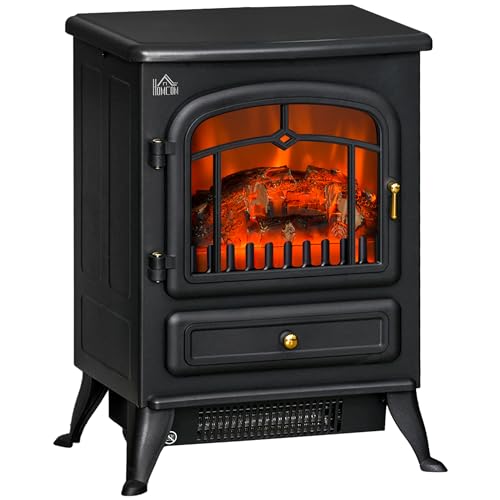
electric fires log burner effect heaters are an excellent way to provide a quick blast of warmth whenever you need it. They are typically rated according to the dimensions of the room and include features like thermostats, overheat switches, and timers.
 electric stove fireplaces heaters convert electrical energy into heating in joules. The heating element makes use of nichrome wire supported by ceramic insulators.
Resistor
The resistor is an electrical element that blocks the flow of electricity in a circuit by decreasing its voltage and absorbing some of it as heat. It does this by converting electrical energy into thermal energy, and wasting only a fraction of a watt. This is a standard method used in electric light bulbs and heating elements.
The resistance of the resistor is determined by its thickness, material and other characteristics. The greater the resistance of the resistor the greater power will be absorbed. This is because higher currents lead to more electrons within the resistor and more electrons equate to more collisions between them. The more collisions occur, the greater the temperature.
Resistors have a maximum power rating they can safely eliminate. It is typically between 1/8W (0.125W) and 1W. Resistors with a high power rating are often called "power resistors," and can be distinguished by their larger packaging size. The maximum power rating of a particular resistor can be determined from the packaging it is packaged in or by comparing its physical size against other resistors with an established power rating.
Electric log burner Stove heaters are special types of power resistors designed to convert electricity into heat. They can generate convective heat through the circulation of air over the resistor or radiant heat by emitting infrared radiation. They are often used in conjunction with fans to boost the efficiency of heating.
If the power rating of a resistor exceeds the power rating the resistor will heat up and can damage adjacent components. In extreme cases the resistor could reach a point where it self-ignites and causes a fire. To avoid this from happening, a limiting resistance should be installed in the circuit.
 Heater resistors come with a color code which indicates their value and other data like manufacturing accuracy and temperature coefficient. A six-banded resistor, for instance, will have five bands to indicate its digits, and the sixth band will tell you the multiplier and tolerance. There are numerous online calculators that you can use to calculate the value of your own resistor.
Coil
Electric heating coils form the core of any appliance powered by electricity that uses heat to warm liquids or objects. They employ a process known as conduction to convert electricity into heat. They can be designed in a variety of shapes based on their application. Heating coils made of electricity can produce a large amount heat in a short amount of time, making the ideal choice for applications that require rapid temperature changes and high thermal efficiency.
The core of an electrical heating coil is an intricately twisted structure made of wires made of metal. This structure is tightly packed, allowing the maximum number of wires to be contained within the smallest space, thereby increasing conductivity. The coil can be insulated in a variety of ways, based on the use. Insulation for an buy electric stove heater that is used in liquid immersion could be constructed of a non-flammable polyvinylchloride (PVC) or polyester polyimide. A coil used for cryogenics would typically be insulated with molybdenum diilicide.
These materials aren't just resistant to corrosion and oxidation they also provide protection from the elements. This makes them ideal for a wide range of industrial applications. Stainless steel is the most common element for a heater coil, but nickel-chrome and iron-chromium-aluminum alloys are also commonly used. These alloys offer a great balance of cost, oxidation resistance, and corrosion resistance.
Metals in a heating element are exposed to extreme temperatures and corrosive environments. They need to be protected. This includes coatings, sealants, better ventilation and drainage, and regular inspections and maintenance. Moisture intrusion is another major issue that needs to be dealt with because it can cause damage to the internal elements of a heater and reduce its life expectancy.
Coils can also be utilized in other devices, like ovens, water tanks, and furnaces. They can be cut to different shapes based on the application and are often printed onto substrates such as mica sheets (muscovite, phlogopite, or muscovite), or conductive plastic. They can be coated with a wide variety of materials to improve their appearance and performance, such as silver, gold, and nickel.
Thermostat
While you probably don't think about it much, your thermostat is an essential component of your home comfort system. The thermostat's main function is to turn the heater ON and OFF so that it is able to maintain the temperature you prefer. It also has the ability to adjust the temperature in accordance with your routine which is a major benefit for those who have an unpredictable schedule.
Most thermostats are electronic models that can be programmed using a computer interface or an app for your smartphone. Certain models come with a learning feature that adapts to your needs. You'll never again have to wonder when you should be home to eat dinner.
In older non-digital thermostats the electrical circuit was controlled by a bi-metal conductive coil or metal strip that would expand or contract based on the temperature. As the strip grew or contracted, it triggered an aluminescent switch to tip, which then activated the relay, which turned on the heating system. Then, as the strip cooled, it bent back and snapped out of its original position, which turned off the heating.
Modern electronic thermostats are more precise than electromechanical ones, using the use of a temperature sensor and a tiny relay. It's easy to understand the mechanics of an electromechanical thermostat by looking at its components.
One of the most important components is a thermometer coil which has a piece of mercury inside it. When you pull the lever on the thermostat upwards or down, it spins the coil and tips the mercury switch in one direction or the other. If the mercury switch is tipped to the left, it will trigger a relay and activate the heater.
As the room warms the mercury switches to the to the right, which breaks the circuit. The heater then shuts off. As the room cools down, the mercury returns back to its original position. The heater then turns on. If you continue to alter the temperature of your electric thermostat, it could require overtime to keep up with your evolving preferences, causing it to consume more energy than it is required to.
Timer
A wall heater timer is a convenient device that helps you schedule your heating and lighting. Contrary to manual timers of the past, it has a built-in clock that will automatically turn on and deactivate your lights or heaters according to the time set. It also helps you save money on your monthly energy bill by avoiding excessive usage.
They are typically used in the home however, they can also be found at commercial and industrial facilities. By controlling the time when circuits are turned on and off, they provide convenience, energy efficiency, and security. They can be used to control appliances such as water pumps, lights and ovens. They are a great option for those who wish to control their electrical appliances without the need for a complicated programming system or computer.
You can set a timer by connecting it to an outlet or extension cord. Then, plug in the appliance you wish to control. Based on the model, you can plug in multiple devices at a time. Some models have a socket located in the middle of the timer while others have the socket under or on the side of it. You can pick from various plug-in timer switches, including those that can be controlled with a smartphone or tablet.
Most mechanical timers feature an hour and half-hour markings. They also have small teeth that you can pull outwards to set the "ON" time, and push backwards to set the "OFF" time. There are models that have multiple sets. This allows you to set the time for different days. Be aware that mechanical timers might not always work correctly particularly when their internal clock is slightly off. Verify the wiring and ensure that all pins are in the timer. If you're still unable to get it to work, it's best to consult a professional for assistance. You could also try replacing the timer. It's important to keep the timer in a secure area, where it will not be easily disturbed by children or pets.
electric fires log burner effect heaters are an excellent way to provide a quick blast of warmth whenever you need it. They are typically rated according to the dimensions of the room and include features like thermostats, overheat switches, and timers.
electric stove fireplaces heaters convert electrical energy into heating in joules. The heating element makes use of nichrome wire supported by ceramic insulators.Resistor
The resistor is an electrical element that blocks the flow of electricity in a circuit by decreasing its voltage and absorbing some of it as heat. It does this by converting electrical energy into thermal energy, and wasting only a fraction of a watt. This is a standard method used in electric light bulbs and heating elements.
The resistance of the resistor is determined by its thickness, material and other characteristics. The greater the resistance of the resistor the greater power will be absorbed. This is because higher currents lead to more electrons within the resistor and more electrons equate to more collisions between them. The more collisions occur, the greater the temperature.
Resistors have a maximum power rating they can safely eliminate. It is typically between 1/8W (0.125W) and 1W. Resistors with a high power rating are often called "power resistors," and can be distinguished by their larger packaging size. The maximum power rating of a particular resistor can be determined from the packaging it is packaged in or by comparing its physical size against other resistors with an established power rating.
Electric log burner Stove heaters are special types of power resistors designed to convert electricity into heat. They can generate convective heat through the circulation of air over the resistor or radiant heat by emitting infrared radiation. They are often used in conjunction with fans to boost the efficiency of heating.
If the power rating of a resistor exceeds the power rating the resistor will heat up and can damage adjacent components. In extreme cases the resistor could reach a point where it self-ignites and causes a fire. To avoid this from happening, a limiting resistance should be installed in the circuit.
Heater resistors come with a color code which indicates their value and other data like manufacturing accuracy and temperature coefficient. A six-banded resistor, for instance, will have five bands to indicate its digits, and the sixth band will tell you the multiplier and tolerance. There are numerous online calculators that you can use to calculate the value of your own resistor.Coil
Electric heating coils form the core of any appliance powered by electricity that uses heat to warm liquids or objects. They employ a process known as conduction to convert electricity into heat. They can be designed in a variety of shapes based on their application. Heating coils made of electricity can produce a large amount heat in a short amount of time, making the ideal choice for applications that require rapid temperature changes and high thermal efficiency.
The core of an electrical heating coil is an intricately twisted structure made of wires made of metal. This structure is tightly packed, allowing the maximum number of wires to be contained within the smallest space, thereby increasing conductivity. The coil can be insulated in a variety of ways, based on the use. Insulation for an buy electric stove heater that is used in liquid immersion could be constructed of a non-flammable polyvinylchloride (PVC) or polyester polyimide. A coil used for cryogenics would typically be insulated with molybdenum diilicide.
These materials aren't just resistant to corrosion and oxidation they also provide protection from the elements. This makes them ideal for a wide range of industrial applications. Stainless steel is the most common element for a heater coil, but nickel-chrome and iron-chromium-aluminum alloys are also commonly used. These alloys offer a great balance of cost, oxidation resistance, and corrosion resistance.
Metals in a heating element are exposed to extreme temperatures and corrosive environments. They need to be protected. This includes coatings, sealants, better ventilation and drainage, and regular inspections and maintenance. Moisture intrusion is another major issue that needs to be dealt with because it can cause damage to the internal elements of a heater and reduce its life expectancy.
Coils can also be utilized in other devices, like ovens, water tanks, and furnaces. They can be cut to different shapes based on the application and are often printed onto substrates such as mica sheets (muscovite, phlogopite, or muscovite), or conductive plastic. They can be coated with a wide variety of materials to improve their appearance and performance, such as silver, gold, and nickel.
Thermostat
While you probably don't think about it much, your thermostat is an essential component of your home comfort system. The thermostat's main function is to turn the heater ON and OFF so that it is able to maintain the temperature you prefer. It also has the ability to adjust the temperature in accordance with your routine which is a major benefit for those who have an unpredictable schedule.
Most thermostats are electronic models that can be programmed using a computer interface or an app for your smartphone. Certain models come with a learning feature that adapts to your needs. You'll never again have to wonder when you should be home to eat dinner.
In older non-digital thermostats the electrical circuit was controlled by a bi-metal conductive coil or metal strip that would expand or contract based on the temperature. As the strip grew or contracted, it triggered an aluminescent switch to tip, which then activated the relay, which turned on the heating system. Then, as the strip cooled, it bent back and snapped out of its original position, which turned off the heating.
Modern electronic thermostats are more precise than electromechanical ones, using the use of a temperature sensor and a tiny relay. It's easy to understand the mechanics of an electromechanical thermostat by looking at its components.
One of the most important components is a thermometer coil which has a piece of mercury inside it. When you pull the lever on the thermostat upwards or down, it spins the coil and tips the mercury switch in one direction or the other. If the mercury switch is tipped to the left, it will trigger a relay and activate the heater.
As the room warms the mercury switches to the to the right, which breaks the circuit. The heater then shuts off. As the room cools down, the mercury returns back to its original position. The heater then turns on. If you continue to alter the temperature of your electric thermostat, it could require overtime to keep up with your evolving preferences, causing it to consume more energy than it is required to.
Timer
A wall heater timer is a convenient device that helps you schedule your heating and lighting. Contrary to manual timers of the past, it has a built-in clock that will automatically turn on and deactivate your lights or heaters according to the time set. It also helps you save money on your monthly energy bill by avoiding excessive usage.
They are typically used in the home however, they can also be found at commercial and industrial facilities. By controlling the time when circuits are turned on and off, they provide convenience, energy efficiency, and security. They can be used to control appliances such as water pumps, lights and ovens. They are a great option for those who wish to control their electrical appliances without the need for a complicated programming system or computer.
You can set a timer by connecting it to an outlet or extension cord. Then, plug in the appliance you wish to control. Based on the model, you can plug in multiple devices at a time. Some models have a socket located in the middle of the timer while others have the socket under or on the side of it. You can pick from various plug-in timer switches, including those that can be controlled with a smartphone or tablet.
Most mechanical timers feature an hour and half-hour markings. They also have small teeth that you can pull outwards to set the "ON" time, and push backwards to set the "OFF" time. There are models that have multiple sets. This allows you to set the time for different days. Be aware that mechanical timers might not always work correctly particularly when their internal clock is slightly off. Verify the wiring and ensure that all pins are in the timer. If you're still unable to get it to work, it's best to consult a professional for assistance. You could also try replacing the timer. It's important to keep the timer in a secure area, where it will not be easily disturbed by children or pets.
- 이전글10 Tell-Tale Warning Signs You Need To Know Before You Buy Electric Wood Burner Stove 24.11.24
- 다음글The Most Significant Issue With Electric Log Burner, And How You Can Fix It 24.11.24
댓글목록
등록된 댓글이 없습니다.