
Is Medical Mobility Scooters As Vital As Everyone Says?
페이지 정보

본문
Medicare and Medicaid Coverage For Medical senior mobility scooters Scooters
A medical mobility scooter is a great option for wheelchair users to move around. It has a bigger foot deck and its wheels have a shorter turn radius than electric chairs.
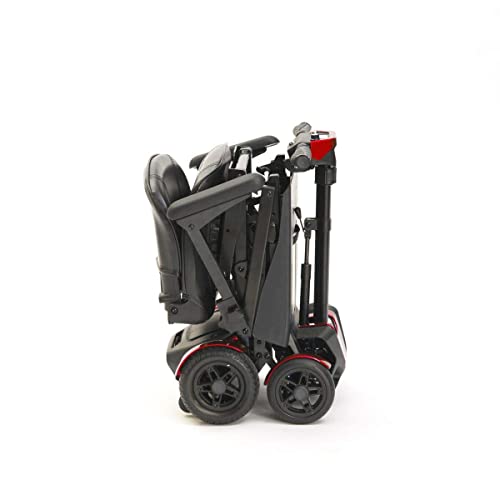
It also has ample storage space. Some portable models can be broken down into smaller pieces to fit into the trunk of a car.
In order to obtain a medical scooter, you must go through Medicare
If you're struggling to get around without a wheelchair or walker, you may be able to apply for Medicare to pay for mobility scooters. Medicare Part B covers up to 80% of the cost of medical scooters so long as you meet certain requirements. Talk to your doctor about whether you are eligible for coverage. Contact a Medicare-approved provider that accepts assignments.
Medical scooters are considered durable mobility scooters medical equipment (DME) under Medicare Part B. Medicare will only pay for medical scooters if you are able to have a personal consultation with your doctor. A doctor will assess your situation and determine if you need an electric scooter to get around your home. If yes, they'll create a prescription which will allow Medicare to pay for the device.
If you have an approved medical prescription, you are able to begin shopping for the perfect scooter. There are a variety of factors to take into consideration when choosing the right model, including the weight capacity and the turning radius. It is important to ensure that the scooter can be used outside and on different terrains.
You'll have to check your specific plan for coverage before purchasing a scooter. It's important to do your research prior to buying a scooter. Certain plans have a deductible. It is also important to take into consideration the advantages of various models and brands. Some are more affordable than others, and you'll need to think about the features you'll need the most.
The Medicare scooter coverage amounts vary from plan to plan however, most have the same basic requirements. To benefit from the benefits, you must be enrolling in Medicare Part B and a doctor will need to prescribe it. The doctor must also verify that you're unable to move around your house without it. In the majority of cases, a scooter is only covered for indoor use.
A Medicare-approved DME supplier can help you select a scooter that's right for your requirements. They'll visit your home and evaluate the space to determine whether your scooter is able to navigate through furniture, hallways, and doors. They'll also test the motor to ensure it will be able to take your weight and maneuver a variety of terrains.
Medicare-approved scooters are available in various sizes and styles. Some are designed to be a fashion statement, while others are designed with the highest performance in mind. The Maxima medical scooter is a perfect example of a stylish heavy duty mobility scooters scooter that provides outstanding mobility and performance. It can support up to 500 pounds and has a top speed of 5.3 miles per hours. It is available in two colours, Candy Apple Red and Viper Blue.
 Medicaid and Medical Scooters
If you have limited mobility due to an illness there are a number of funding resources available to assist you in purchasing or leasing medical scooters. Medicare and Medicaid provide financial assistance to those who meet certain criteria. Talk to a doctor before deciding on the type of medical scooter suitable for you.
In general, Medicare Part B pays for durable medical equipment (DME) such as mobility scooters upon presentation of the prescription of a doctor and a demonstration of the need for the device. To be eligible begin by making contact with your local Medicaid office to determine whether you're eligible. If you're eligible, choose a DME provider that accepts Medicaid. They should be able to work with you and your physician to collect all necessary documentation.
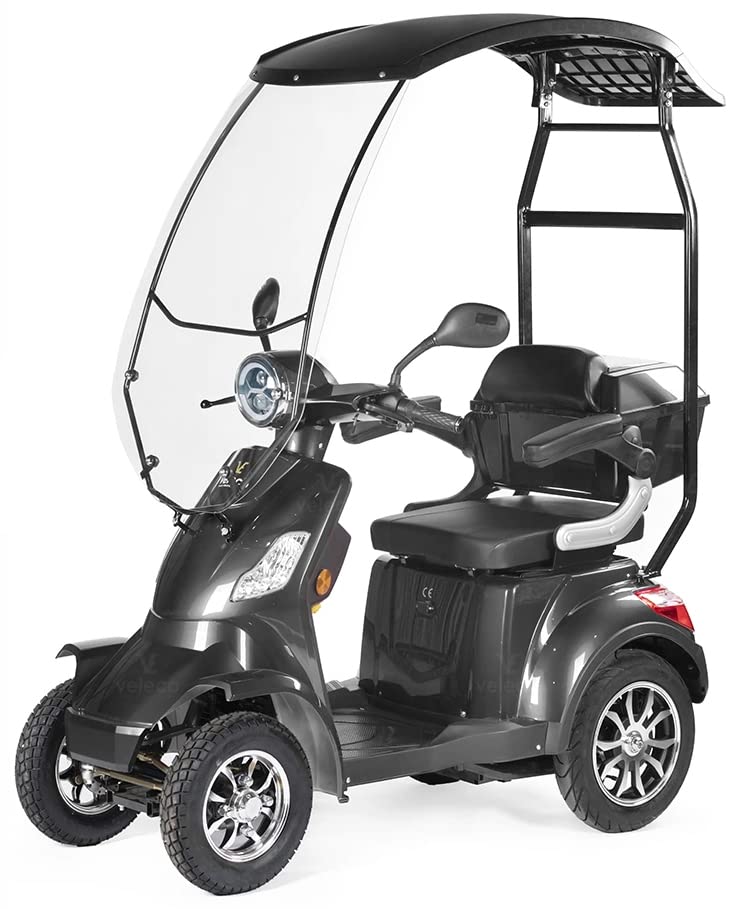
Choose the best scooter for your medical needs once you've found an DME provider that accepts Medicaid. Consider factors like turning radius as well as the weight of the assembly and ground clearance. A three-wheeled model can be more maneuverable through tight corners and tight spaces than those with four wheels. It is also important to take into consideration the assembled weight, as lighter scooters are easier to transport and put together.
Some states also have programs that provide assistance for the purchase or rental of medical scooters. You can contact your local Department of Health or department of aging to find out more about these programs. Veterans Affairs can also provide various mobility aids, including scooters, for disabled veterans who meet the requirements.
It could take some time to obtain a medical scooter through Medicaid however, it's crucial to be patient. By cooperating with your health care provider, researching details about coverage, and staying in regular communication with your DME supplier and DME supplier, you can ensure the process of obtaining a medical scooter through Medicaid is as smooth as possible.
 You may be able to obtain a scooter from your private insurance company or through other funding sources like grants and community-based organizations. The process for getting a scooter varies according to state and entity. For instance, you can check with local disability advocacy groups or independent living centers to find out what options are available in your region. These organizations may be able recommend local vendors that offer Medicaid-approved scooters. They may be able to assist you with the application.
The process of obtaining a medical scooter through private insurance
Besides Medicare as well as private health insurance, private health insurance can also cover mobility scooters. In this case insurance companies will take into consideration medical necessity and other criteria. This includes a face-to-face examination and a prescription from a licensed medical professional. The scooter has to be considered necessary for everyday activities, and it must be able to meet certain weight capacities and other requirements. Some insurance plans for private individuals might even provide coverage for accessories for the device.
Typically medical scooters are covered under Medicare Part B if they're considered durable medical equipment (DME). This means that the device will be paid up to 80 percent by the insurance company once the deductible has been fulfilled. However, the user is responsible for the remaining 20%. This rule is applicable to all types of scooters, which includes four-wheel and three-wheel models. There are exceptions to the rule. Some models are too big to be considered portable and must instead be towed by an automobile.
To obtain medical scooters through private insurance the first step is to obtain the prescription of a physician. Then, the individual will have to locate an DME company that will accept their insurance. The DME company will then send the medical documents and order forms to the insurance company for approval. After the insurance has accepted your request, you will receive the medical scooter.
The most important thing to keep in mind about purchasing medical scooters through private insurance is that it must be required for daily activities. This means it must be able assist the person move around and complete tasks such as bathing, dressing, and eating. The scooter can be used to traveling both inside and out of the home. In certain situations medical scooters can even be used to go shopping.
In certain states, Medicaid may also cover the cost of medical scooters. However, there are different rules in each state. For instance, in some states there is a requirement that the Medicaid program only covers scooters that are hired from a contracted Medicare supplier. This is known as the Competitive Bidding Program. In some cases, Medicaid may only cover medical scooters that are standard models and are offered at a reasonable price.
A medical mobility scooter is an excellent tool for people with mobility issues. Scooters can assist people in regaining their independence after an accident or illness. In many instances medical scooters could be a better option than a wheelchair. It offers more stability and comfort, making it a great option for people who want to remain mobile. In the majority of situations, a medical scooter is the ideal choice for those who struggle with standing or walking for long periods of time.
A medical mobility scooter is a great option for wheelchair users to move around. It has a bigger foot deck and its wheels have a shorter turn radius than electric chairs.
It also has ample storage space. Some portable models can be broken down into smaller pieces to fit into the trunk of a car.
In order to obtain a medical scooter, you must go through Medicare
If you're struggling to get around without a wheelchair or walker, you may be able to apply for Medicare to pay for mobility scooters. Medicare Part B covers up to 80% of the cost of medical scooters so long as you meet certain requirements. Talk to your doctor about whether you are eligible for coverage. Contact a Medicare-approved provider that accepts assignments.
Medical scooters are considered durable mobility scooters medical equipment (DME) under Medicare Part B. Medicare will only pay for medical scooters if you are able to have a personal consultation with your doctor. A doctor will assess your situation and determine if you need an electric scooter to get around your home. If yes, they'll create a prescription which will allow Medicare to pay for the device.
If you have an approved medical prescription, you are able to begin shopping for the perfect scooter. There are a variety of factors to take into consideration when choosing the right model, including the weight capacity and the turning radius. It is important to ensure that the scooter can be used outside and on different terrains.
You'll have to check your specific plan for coverage before purchasing a scooter. It's important to do your research prior to buying a scooter. Certain plans have a deductible. It is also important to take into consideration the advantages of various models and brands. Some are more affordable than others, and you'll need to think about the features you'll need the most.
The Medicare scooter coverage amounts vary from plan to plan however, most have the same basic requirements. To benefit from the benefits, you must be enrolling in Medicare Part B and a doctor will need to prescribe it. The doctor must also verify that you're unable to move around your house without it. In the majority of cases, a scooter is only covered for indoor use.
A Medicare-approved DME supplier can help you select a scooter that's right for your requirements. They'll visit your home and evaluate the space to determine whether your scooter is able to navigate through furniture, hallways, and doors. They'll also test the motor to ensure it will be able to take your weight and maneuver a variety of terrains.
Medicare-approved scooters are available in various sizes and styles. Some are designed to be a fashion statement, while others are designed with the highest performance in mind. The Maxima medical scooter is a perfect example of a stylish heavy duty mobility scooters scooter that provides outstanding mobility and performance. It can support up to 500 pounds and has a top speed of 5.3 miles per hours. It is available in two colours, Candy Apple Red and Viper Blue.
Medicaid and Medical ScootersIf you have limited mobility due to an illness there are a number of funding resources available to assist you in purchasing or leasing medical scooters. Medicare and Medicaid provide financial assistance to those who meet certain criteria. Talk to a doctor before deciding on the type of medical scooter suitable for you.
In general, Medicare Part B pays for durable medical equipment (DME) such as mobility scooters upon presentation of the prescription of a doctor and a demonstration of the need for the device. To be eligible begin by making contact with your local Medicaid office to determine whether you're eligible. If you're eligible, choose a DME provider that accepts Medicaid. They should be able to work with you and your physician to collect all necessary documentation.
Choose the best scooter for your medical needs once you've found an DME provider that accepts Medicaid. Consider factors like turning radius as well as the weight of the assembly and ground clearance. A three-wheeled model can be more maneuverable through tight corners and tight spaces than those with four wheels. It is also important to take into consideration the assembled weight, as lighter scooters are easier to transport and put together.
Some states also have programs that provide assistance for the purchase or rental of medical scooters. You can contact your local Department of Health or department of aging to find out more about these programs. Veterans Affairs can also provide various mobility aids, including scooters, for disabled veterans who meet the requirements.
It could take some time to obtain a medical scooter through Medicaid however, it's crucial to be patient. By cooperating with your health care provider, researching details about coverage, and staying in regular communication with your DME supplier and DME supplier, you can ensure the process of obtaining a medical scooter through Medicaid is as smooth as possible.
You may be able to obtain a scooter from your private insurance company or through other funding sources like grants and community-based organizations. The process for getting a scooter varies according to state and entity. For instance, you can check with local disability advocacy groups or independent living centers to find out what options are available in your region. These organizations may be able recommend local vendors that offer Medicaid-approved scooters. They may be able to assist you with the application.The process of obtaining a medical scooter through private insurance
Besides Medicare as well as private health insurance, private health insurance can also cover mobility scooters. In this case insurance companies will take into consideration medical necessity and other criteria. This includes a face-to-face examination and a prescription from a licensed medical professional. The scooter has to be considered necessary for everyday activities, and it must be able to meet certain weight capacities and other requirements. Some insurance plans for private individuals might even provide coverage for accessories for the device.
Typically medical scooters are covered under Medicare Part B if they're considered durable medical equipment (DME). This means that the device will be paid up to 80 percent by the insurance company once the deductible has been fulfilled. However, the user is responsible for the remaining 20%. This rule is applicable to all types of scooters, which includes four-wheel and three-wheel models. There are exceptions to the rule. Some models are too big to be considered portable and must instead be towed by an automobile.
To obtain medical scooters through private insurance the first step is to obtain the prescription of a physician. Then, the individual will have to locate an DME company that will accept their insurance. The DME company will then send the medical documents and order forms to the insurance company for approval. After the insurance has accepted your request, you will receive the medical scooter.
The most important thing to keep in mind about purchasing medical scooters through private insurance is that it must be required for daily activities. This means it must be able assist the person move around and complete tasks such as bathing, dressing, and eating. The scooter can be used to traveling both inside and out of the home. In certain situations medical scooters can even be used to go shopping.
In certain states, Medicaid may also cover the cost of medical scooters. However, there are different rules in each state. For instance, in some states there is a requirement that the Medicaid program only covers scooters that are hired from a contracted Medicare supplier. This is known as the Competitive Bidding Program. In some cases, Medicaid may only cover medical scooters that are standard models and are offered at a reasonable price.
A medical mobility scooter is an excellent tool for people with mobility issues. Scooters can assist people in regaining their independence after an accident or illness. In many instances medical scooters could be a better option than a wheelchair. It offers more stability and comfort, making it a great option for people who want to remain mobile. In the majority of situations, a medical scooter is the ideal choice for those who struggle with standing or walking for long periods of time.
- 이전글Ten Things Your Competitors Help You Learn About Pragmatic Slots Experience 24.11.26
- 다음글20 Fun Informational Facts About Pragmatic Slots 24.11.26
댓글목록
등록된 댓글이 없습니다.