
15 Up-And-Coming Coffee Bean 1kg Bloggers You Need To Follow
페이지 정보

본문
Benefits of Buying a Coffee Bean 1kg in Bulk
If you're a coffee lover, you know the importance of using only the highest-quality beans in your daily coffee. When you decide to purchase coffee bean 1kg is a wise option for your wallet, taste buds and the planet. The purchase of beans in bulk permits exploration of grind sizes, brewing methods and blends that can enhance your coffee experience.
Benefits
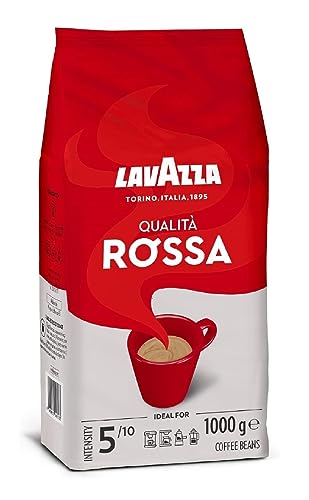 It doesn't matter if you're looking to improve your health or enjoy a delicious cup of coffee, you'll love the benefits of buying one kilogram of coffee beans. These beans are full of antioxidants and nutrients that are beneficial to the body. They are a good source of riboflavin, magnesium, potassium and zinc. However, it is essential to consume them in moderation.
Green espresso coffee beans 1kg beans have been proven to increase metabolism, burn fat and lower cholesterol. They also reduce blood pressure and stop blood sugar spikes. They also have neuroprotective properties and inhibit the production of acetylcholinesterase which is a chemical that causes "out-of-it" sensations. They also improve concentration and reaction times.
Although the majority of people drink coffee to boost their energy levels, it can be a problem. them, excessive consumption can cause insomnia, anxiety, and heart palpitations. If you drink it in the right quantities it can aid you in staying focused and productive throughout the day. The caffeine in coffee beans improves your short-term memory as well as increases brain activity. This is why so many people rely on it to help them get through long workdays.
Before coffee beans are roasted, they must be picked and dried. The process of harvesting coffee varies depending on the type of plant and the place it is grown. The beans are removed from the fruit, referred to as a coffee cherry, by different methods. Some farmers pick the fruit by hand, whereas others make use of large machines to remove the beans from the trees.
The beans are then laid out to dry, which can take 10-14 days. During this time, the beans need to be turned frequently to ensure an even drying. When they are dry, they are now ready to be baked.
It is important to choose the right grind for your coffee beans. This will determine how well your coffee is brewed and the taste. In general lighter roasts tend to be more acidic and sweeter, while darker roasts tend to be more smoky. But it is essential to test different grinds until you discover the best one for you. The origin of beans plays a role in the flavor. Beans from Central and South America, for example tend to be delicate and balanced, while beans from Africa are fruity or floral.
Savings
Coffee beans in bulk offer significant savings in cost, since you can purchase a kilogram of coffee for the same price that you'd pay for smaller quantities. You can now enjoy a fresher tasting coffee for only a fraction of the cost.
Bulk purchases are often associated with discounts and free shipping. This further reduces the cost of your purchase. Savings can be significant, especially for coffee lovers.
Another advantage of purchasing coffee beans in bulk is that they last longer than smaller quantities. If you purchase in bulk the beans will stay fresh for several weeks which gives you plenty of time to enjoy your coffee before they turn to stale. This is a great method to save money on coffee, especially for those who love drinking several cups of coffee a day.
If stored properly when stored properly, a kilo's worth of coffee beans will last for four to six weeks. To store your beans, make sure to use an airtight container that pushes air out, like a CoffeeVac or Fellow Atmos. Once you've finished your beans, you can refill the container and keep it in a cool, dark place. This will help your beans last longer and taste great until the end.
You can also freeze your coffee beans to extend their shelf-life. However, it's important to note that this could alter the taste of the beans. It's best to store them in the fridge in the event that you are limited with space in the freezer. It's also an excellent idea to divide your coffee beans into bags or jars immediately after opening them. This will ensure that they're only exposed to oxygen once, until you're ready to make them into a cup!
Apart from saving money A kilo of coffee beans will allow you to discover your favorite flavor profile. You can experiment with different grinds, brewing techniques and blends when you have a variety of whole beans to choose from. This freedom of experimentation can enhance your coffee experience, making every cup a potential new discovery!
Experimentation
The coffee plant, just like all vascular plants in the soil absorbs minerals and micronutrients. The uptake depends on the species of the plant, its age and root distribution as well as the physical and chemical nature of the soil (pH Eh, pH organic matter, anions, cations content, proportions of various elements, etc.) as well as the use of fertilizers, general climatic conditions, and many other variables. It's not a surprise that certain species of plants accumulate higher levels of radionuclides and heavy metals than others.
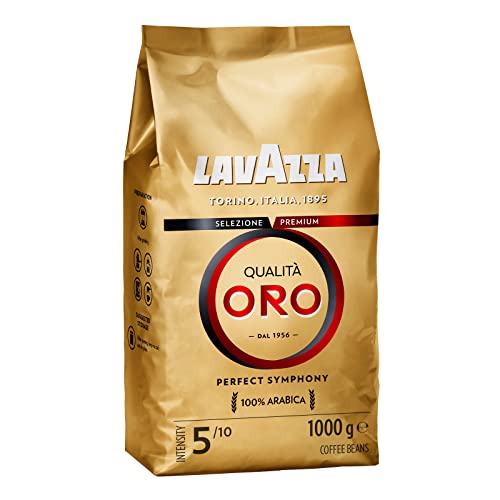 All of these elements could affect the 210Po concentration in the final cup of coffee. The 210Po content of the coffee beverage brewed may be affected by a variety of processes, such as roasting and storage. To examine the effects, a selection of commercially available ground coffees were analysed. The 210Po content was measured in the raw green and roasted coffee beans 1kg uk 1kg coffee beans price uk [right here on maps.google.com.ar] beans as well as in the final coffee that was brewed. The 210Po losses during the roasting process were also studied.
As illustrated in Figure the temperature of the beans can impact the size distribution. 4. During the process of grinding particles are heated by the surrounding environment as they move through the burrs before being agglomerated. As a result, the size of the particles gradually shrinks. The modal distribution of particle size is clearly bimodal, with a lot of small particles and a few larger ones.
This distribution is not uniform and can be a significant influence on the final product's flavor and quality. The smallest particles, for example, have the largest surface area. They are the most responsible for the bitterness in coffee that is poorly roasted. Additionally they are more prone to being contaminated with impurities.
The process of making and processing coffee creates a significant ecological footprint. The emissions from the growing stage are estimated to be around 7-8% of the carbon footprint total, while the remaining portion comes from milling and exportation. A previous LCA study of sustainable coffee production revealed that 77% of the reduction in the carbon footprint could be achieved by reducing use of agrochemicals and enhancing the transport of beans.
If you're a coffee lover, you know the importance of using only the highest-quality beans in your daily coffee. When you decide to purchase coffee bean 1kg is a wise option for your wallet, taste buds and the planet. The purchase of beans in bulk permits exploration of grind sizes, brewing methods and blends that can enhance your coffee experience.
Benefits
It doesn't matter if you're looking to improve your health or enjoy a delicious cup of coffee, you'll love the benefits of buying one kilogram of coffee beans. These beans are full of antioxidants and nutrients that are beneficial to the body. They are a good source of riboflavin, magnesium, potassium and zinc. However, it is essential to consume them in moderation.Green espresso coffee beans 1kg beans have been proven to increase metabolism, burn fat and lower cholesterol. They also reduce blood pressure and stop blood sugar spikes. They also have neuroprotective properties and inhibit the production of acetylcholinesterase which is a chemical that causes "out-of-it" sensations. They also improve concentration and reaction times.
Although the majority of people drink coffee to boost their energy levels, it can be a problem. them, excessive consumption can cause insomnia, anxiety, and heart palpitations. If you drink it in the right quantities it can aid you in staying focused and productive throughout the day. The caffeine in coffee beans improves your short-term memory as well as increases brain activity. This is why so many people rely on it to help them get through long workdays.
Before coffee beans are roasted, they must be picked and dried. The process of harvesting coffee varies depending on the type of plant and the place it is grown. The beans are removed from the fruit, referred to as a coffee cherry, by different methods. Some farmers pick the fruit by hand, whereas others make use of large machines to remove the beans from the trees.
The beans are then laid out to dry, which can take 10-14 days. During this time, the beans need to be turned frequently to ensure an even drying. When they are dry, they are now ready to be baked.
It is important to choose the right grind for your coffee beans. This will determine how well your coffee is brewed and the taste. In general lighter roasts tend to be more acidic and sweeter, while darker roasts tend to be more smoky. But it is essential to test different grinds until you discover the best one for you. The origin of beans plays a role in the flavor. Beans from Central and South America, for example tend to be delicate and balanced, while beans from Africa are fruity or floral.
Savings
Coffee beans in bulk offer significant savings in cost, since you can purchase a kilogram of coffee for the same price that you'd pay for smaller quantities. You can now enjoy a fresher tasting coffee for only a fraction of the cost.
Bulk purchases are often associated with discounts and free shipping. This further reduces the cost of your purchase. Savings can be significant, especially for coffee lovers.
Another advantage of purchasing coffee beans in bulk is that they last longer than smaller quantities. If you purchase in bulk the beans will stay fresh for several weeks which gives you plenty of time to enjoy your coffee before they turn to stale. This is a great method to save money on coffee, especially for those who love drinking several cups of coffee a day.
If stored properly when stored properly, a kilo's worth of coffee beans will last for four to six weeks. To store your beans, make sure to use an airtight container that pushes air out, like a CoffeeVac or Fellow Atmos. Once you've finished your beans, you can refill the container and keep it in a cool, dark place. This will help your beans last longer and taste great until the end.
You can also freeze your coffee beans to extend their shelf-life. However, it's important to note that this could alter the taste of the beans. It's best to store them in the fridge in the event that you are limited with space in the freezer. It's also an excellent idea to divide your coffee beans into bags or jars immediately after opening them. This will ensure that they're only exposed to oxygen once, until you're ready to make them into a cup!
Apart from saving money A kilo of coffee beans will allow you to discover your favorite flavor profile. You can experiment with different grinds, brewing techniques and blends when you have a variety of whole beans to choose from. This freedom of experimentation can enhance your coffee experience, making every cup a potential new discovery!
Experimentation
The coffee plant, just like all vascular plants in the soil absorbs minerals and micronutrients. The uptake depends on the species of the plant, its age and root distribution as well as the physical and chemical nature of the soil (pH Eh, pH organic matter, anions, cations content, proportions of various elements, etc.) as well as the use of fertilizers, general climatic conditions, and many other variables. It's not a surprise that certain species of plants accumulate higher levels of radionuclides and heavy metals than others.
All of these elements could affect the 210Po concentration in the final cup of coffee. The 210Po content of the coffee beverage brewed may be affected by a variety of processes, such as roasting and storage. To examine the effects, a selection of commercially available ground coffees were analysed. The 210Po content was measured in the raw green and roasted coffee beans 1kg uk 1kg coffee beans price uk [right here on maps.google.com.ar] beans as well as in the final coffee that was brewed. The 210Po losses during the roasting process were also studied.As illustrated in Figure the temperature of the beans can impact the size distribution. 4. During the process of grinding particles are heated by the surrounding environment as they move through the burrs before being agglomerated. As a result, the size of the particles gradually shrinks. The modal distribution of particle size is clearly bimodal, with a lot of small particles and a few larger ones.
This distribution is not uniform and can be a significant influence on the final product's flavor and quality. The smallest particles, for example, have the largest surface area. They are the most responsible for the bitterness in coffee that is poorly roasted. Additionally they are more prone to being contaminated with impurities.
The process of making and processing coffee creates a significant ecological footprint. The emissions from the growing stage are estimated to be around 7-8% of the carbon footprint total, while the remaining portion comes from milling and exportation. A previous LCA study of sustainable coffee production revealed that 77% of the reduction in the carbon footprint could be achieved by reducing use of agrochemicals and enhancing the transport of beans.
- 이전글The Kia Picanto Spare Key Case Study You'll Never Forget 24.11.29
- 다음글15 Gifts For The 1kg Coffee Beans Lover In Your Life 24.11.29
댓글목록
등록된 댓글이 없습니다.