
See What Gas Safety Certificate Homeowner Tricks The Celebs Are Making…
페이지 정보

본문
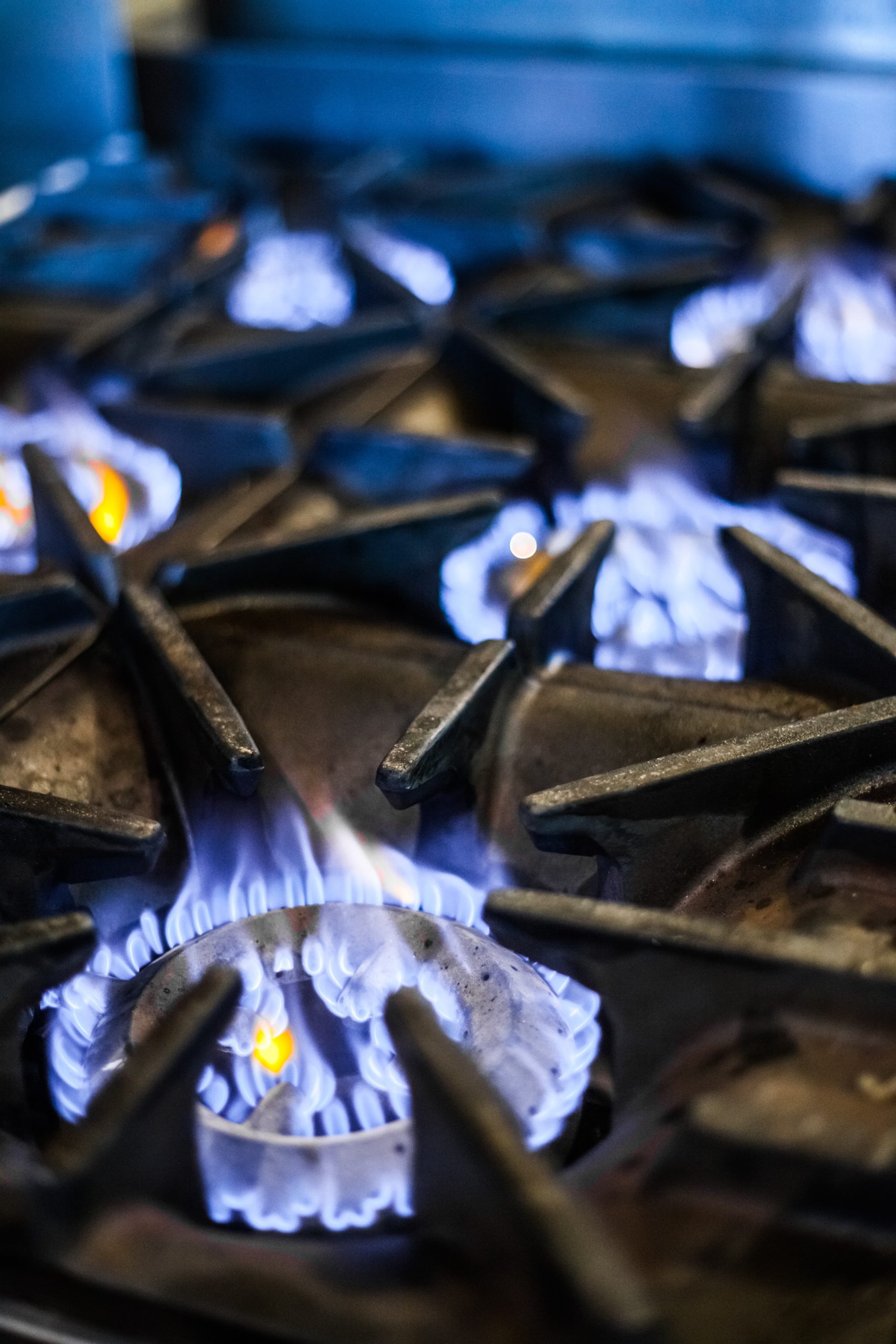 Gas Safety Certificate - Legal Requirement For Homeowners and Landlords
Gas safety certificates are vital for those who own a home that has a gas supply. The certificate details the inspection carried out by an Gas Safe engineer.
It lists all appliances and installations that were inspected. It also explains whether the equipment and installations passed or failed the inspection.
Legal Requirements
In a lot of areas, in many areas, a Gas Safety Certificate is required by law. It what is a gas safety certificate a crucial document for both homeowners and landlords. It's a valuable aid in protecting the safety of the occupants, while also protecting owners from liability that could arise from not maintaining their appliances and infrastructure. It can also be useful when selling or renting a property, as it demonstrates a commitment to safety and helps speed the process.
The CP12 certificate contains a range of vital information that include the date and the name of the engineer who conducted the inspection and the address of the property as well as a list of the gas appliances and flues assessed, and an evaluation of each appliance's condition (pass or fail). Before allowing an engineer to access their property, landlords should check the identity of their Gas Safe registered engineer to make sure that they're properly trained, certified and insured.
Landlords are accountable for all pipes and appliances within their buildings, including those which are owned by tenants and occupied by them, as well as communal areas and appliances that are used by multiple tenants. Additionally, they must provide all of their tenants with copies of the Gas Safety Record at the beginning of each new tenancy. It is recommended to keep a record of the previous inspection dates and certificates so that you can easily refer back to them in the future.
It doesn't matter if they're original owner or not, landlords need to get and pay for the Gas Safe Certificate before they put their property on the market. This will reassure prospective buyers that the house is safe for them to live in, and will speed up the conveyancing procedure.
Landlords must keep a log and make sure that their Gas Safety Certificates are current prior to each lease. If they employ a management company to handle their maintenance, they must ensure that the contract with the agency clearly outlines who is responsible for organizing and paying for annual checks. Before every check, landlords must take photos of their gas appliances and other installations to allow them to keep track of each item's history.
Peace of Mind
Gas safety inspections, while not legally required, are still highly recommended. This will ensure that the gas appliances and installations within your home are safe and decrease the chance of developing complications. It also helps protect against health hazards like carbon monoxide poisoning as well as fire accidents that can result from defective appliances.
During the inspection, an engineer will inspect your gas appliances, installations, and check for things such as gas leaks, proper venting and appliance functionality. They will then complete an extensive report of their findings and issue you with a gas safety certificate. The document will include the address of your home along with the name and contact details of the engineer, the date of the inspection as well as a list of all gas appliances that were inspected. If any appliances were found to be unsafe the engineer will demand that they be disconnected from the supply and give you recommendations for remedial work.
If you're a homeowner thinking of selling your house in the near future, having an approved gas safety certificate can help to accelerate the process by providing potential buyers with peace of assurance. This will show that you care about the safety of your occupants and are committed to keeping your home's systems in working order.
As a landlord as a landlord, you are legally obliged to have your gas appliances, flues, and pipework checked by an gas safety certificate homeowner - click the following page - Safe Registered engineer on an annual basis. This is to safeguard tenants from gas leaks carbon dioxide poisoning, and fires that can cause severe damage, and even death.
The gas safety certificate is not just a sign of your commitment to protecting the health of your tenant as well as making your business more appealing to potential tenants. Furthermore, if issues are identified and rectified promptly, minimizing the risk of liability claims and accidents.
If you're a landlord, it's important to inform your tenants and inform them when the inspection is scheduled to take place and how they can get an original gas safety certificate. This will ensure that your tenants are aware of any potential hazards within your home and are less likely to try and cover them with a blanket, putting their safety at risk.
Insurance
Gas inspections performed by licensed experts are not legally required, but they are recommended. Having your appliances checked on a regular basis by a skilled professional can help you identify any potential issues before they become serious and put you and your family at risk. It also can reveal potential hazards, such as carbon monoxide, a odourless and extremely dangerous gas that can be a problem in your home if appliances have not been properly maintained.
As part of their legal obligations landlords are required by law to have their property examined by a certified engineer to ensure gas safety and to obtain a CP12 certificate (Landlord Certification) when renting out a property. The certificate provides evidence that the appliances and flues in their properties are safe to use and are in good operating condition.
A CP12 document is a standard form of document in yellow and black that contains the details of an inspection, such as the date, name of the gas engineer, and Gas Safe Register number. It will also include an inventory of appliances that were inspected and the engineer will note any issues or concerns they have discovered. The engineer will write on the CP12 that an appliance what is a landlord gas safety certificate unsafe and request it to be removed immediately.
The CP12 will also include if any maintenance work is required to ensure that the appliance is safe to use This information will also be recorded. The engineer will typically suggest that gas appliances are serviced simultaneously with they undergo a CP12 inspection to ensure that they are in good operating condition and can be used safely.
As a homeowner, having your gas safety certificates available will give you peace of, help you spot dangers before they become serious and may even save you cash on insurance costs since certain insurers require that you have a valid CP12 in place before offering you cover. You can avoid costly repairs by keeping up with inspections and fixing issues immediately when they occur. This can also speed up future insurance claims.
Tenant Requirements
While landlords are legally responsible for gas safety inspections in their rental properties, tenants also have a right to making sure that the appliances they have in the rental property are safe to use. Tenants can prevent accidents by requesting copies of the annual gas safety certificate from their landlord and reminding them to carry these checks out according to the requirements.
The gas safety certificate is an important document that shows whether the gas appliances in your home are safe and suitable for use. It contains the list of gas appliances that have been examined by an Gas Safe registered engineer, an assessment of each appliance's condition (either "pass" or "fail'), and a date when the next inspection is due. It also lists the name and registration number of the Gas Safe engineer who conducted the inspection, aswell the address of the property inspected.
Landlords are legally obliged to provide an original copy of the gas safety certificate to all tenants within 28 days of the annual service and to new tenants prior to the commencement of the tenancy. Landlords are also accountable for displaying a copy of the gas safety certificate inside the rental property.
A valid gas safety certificate can be beneficial to homeowners during a sale of their property because it indicates that the house has been examined and is free of dangerous gas appliances and fittings. A valid gas safety certificate could also make it easier for homeowners to obtain insurance on their property.
Some landlords are insecure about the property they lease and are unable to permit maintenance or gas inspections. If the tenant and landlord are unable to reach an agreement and the landlord is not able to reach an agreement, then he must take every reasonable step to ensure compliance with the Gas Safety Installation and Use Regulations of 1998. This includes repeatedly making attempts to gain entry and sending letters to tenants to explain that the safety checks are mandatory to ensure the safety of everyone. If the landlord is unable to gain access to the property to conduct a safety inspection or to conduct a safety inspection, they may need to seek legal advice.
- 이전글5 The 5 Reasons 2 In 1 Pram And Pushchair Is A Good Thing 24.11.29
- 다음글See What Renault Trafic Key Replacement Tricks The Celebs Are Using 24.11.29
댓글목록
등록된 댓글이 없습니다.