
The 10 Most Terrifying Things About Stove Wood Burning
페이지 정보

본문
How to Properly Start a Wood Burning Stove
Wood stoves are a great method to reduce energy consumption and warm a room. However, they need some level of maintenance.
Many modern wood stoves comply with EPA emission guidelines. Look for an EPA sticker either under or on the grate to make sure your stove won't produce a lot of harmful pollutants.
How to Start a Wood Fire
The scent and sound of a fire can be a welcome addition in any house. It's crucial to learn how to properly create a fire on your stove. Improper techniques can result in an unburned fire that doesn't burn efficiently and creates smoke or creosote. The following tips can assist you in starting a fire that will heat your home with minimal effort and ensure your safety.
Before you begin a fire, you should check the condition of your logs and coals. If they're too damp they will choke the fire and prevent it from burning efficiently. It is also possible to open the flue to let any ash that has been deposited into the stove.
Begin by putting a handful of small dry newspaper pieces in the stove. This will help to ignite the tinder. When they begin to ignite, add a layer of larger pieces of kindling to the top of the pile. This should be done with a crosshatch design so that there is air between each piece.
If your wood stove comes with an automatic combustion control, it will automatically feed air to the fire as it grows. This allows the fire to burn steadily without having to open the stove's door often to keep it in check.
Do not use too much tinder, as it can cause the fire to burn at a rapid rate and not use the fuel effectively. If you have a solid pile of tinder and some kindling in your stove, start the main fire by laying two large base logs across the grate. Next, place an additional layer of smaller logs that are perpendicular to them and on top of the base logs. This "top-down" method of building the fireplace will create a long-lasting, efficient fire that doesn't engulf larger logs from the base.
When your fire is established Close the damper and ensure it stays closed. If you open the damper too early, it can cause the fire be smothered, and it will not allow for proper air flow, which will decrease the efficiency of the fire.
Adding Wood
Stoves can be used to heat your home efficiently and save you money. They can be used together with a central heating system or furnace to provide additional heat in large houses. Many of the new stoves that burn cleanly available on the market use an advanced combustion principle which separates the burning volatile compounds from combustible gasses as well as tar. This is achieved by providing air at two different stages. The first stage allows the combustion of volatile compounds, while the second step offers fresh air that is pre-heated. This improves combustion and decreases the odors.
The amount of heat that you will get from your stove depends on the kind of wood and the amount of moisture in it, as well as the size of the logs. The logs should be stored in a well-ventilated space for several months before you attempt to burn them, to give the wood a chance to dry. If the logs contain too much moisture, they will create steam that is in essence wasted energy.
While you're burning the fire, add more wood to the stack in intervals, but not all at all at. Too much wood added at one time can cause the temperature of the firebox to increase and produces a vortex that sucks smoke and volatile compounds that have not been burned back into the flame which can decrease the efficiency of your stove.
Avoid using other combustibles in your stove, like cardboard or paper, because they are not wood. They have different physical properties and are unable to be burned without creating dangerously high temperatures. Also, avoid using compressed combustibles, such as wood briquettes as they have a very different chemical and physical composition to real firewood and aren't type-approved for burning in wood-burning stoves.
If you are installing wood-burning stoves in your home, it is essential to have it installed and tested by a qualified. A certified WETT technician will examine your stove to make sure it is safe and reliable. They can also make sure that your chimney works correctly. These experts can also provide maintenance services to keep your stove and chimney in tip-top shape. They can check for leaks in the areas that are accessible to your chimney and repair any problems they find. They will also make sure that all residents of the home understand and adhere to the fire evacuation procedures in case of an accident.
Adjusting the Damper
If you're not using your stove, a damper regulates how much heat is lost through the chimney. In addition to this it can also help you control the fire. If the flue is opened but the damper is closed too much the fire won't be able to burn properly and it will release smoke into your living space. To ensure that you get the best fire with your damper adjusted properly you must experiment with different settings and observe how each one affects the flames.
It is important to keep your damper open to allow air to enter and exit the flue when a flame is burning. This lets the fire start a fire and also helps keep it lit so you can enjoy it for wood burning stove a long time. The right opening will also stop the fire from becoming starved of air and will keep it from blowing smoke.
To properly adjust your damper, you have to first make sure the fireplace is preheated and the wood stove is warm. This will ensure the chimney is warm and it also has a strong draft. After that, the damper for wood burner stoves can be adjusted.
Once the fire has burned for a while, you can close the damper to about three-quarters of its maximum. This will stop warm air in the room from venturing into the chimney, while still permitting smoke to escape.
This is the best method to keep your fire lit and prevent it from getting too hot. The draft may be stopped if one closes the damper to far but a cold wind could enter your home in the event that the damper is left open.
You can determine how much the damper is opened by holding your hand near the top of the of the flue pipe. If you feel a small breeze pushing against your hand, the damper is likely in the open position.
The damper settings can vary from one stove to another and even among different types of wood. You can experiment with various settings to get a sense of the most suitable setting for your stove.
Clean Up
After a fire, it is essential to clean the flue and stove. This can reduce the chance of an explosion in the chimney which is the most common cause of fires caused by wood burning stoves uk stoves. Creosote is a sticky substance that forms on the inside of the stovepipe and is extremely dangerous. The moisture and the unburned parts of wood that cannot escape the fire are the cause for this substance. It could be caused by improperly lit fires.
A regular cleaning routine helps keep the buildup of creosote at bay. The most effective method for doing this is by sweeping the chimney each year. It is recommended to have your fireplace and stove wood burning professionally cleaned and inspected at least once a year, too.
It is also recommended to clean the Ash tray and grate frequently. It is best to burn only seasoned wood since it will create less creosote. Avoid burning cardboard, paper and plastic. These items could release dangerous chemicals for the flue and air, which could be released in your home.
The glass on the wood burning stove has to be cleaned frequently as well. Many newer wood stoves are made with self-cleaning glass, which means they do not require much scrubbing. You can apply stove glass cleaners to the window if you're able get the glass as clean as you would like on your wood stove.
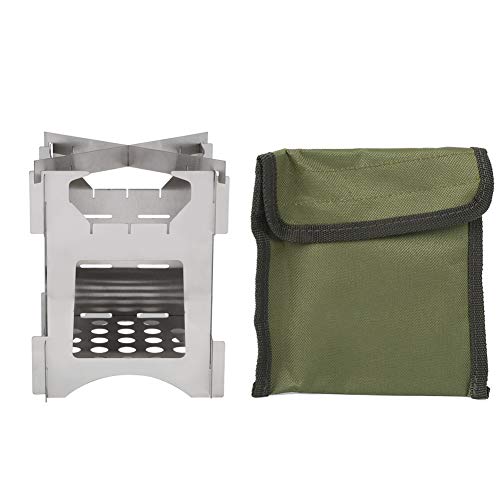 Other ways to maintain your wood stove include turning down the vent when you're not using it, and cracking windows or doors to increase airflow. This keeps the fire burning more hot and efficient. The wood stove will not need to be as active to circulate air. It is recommended not to stack logs, or let them sit on the fire for an extended time. This could cause splitting and warping. It is recommended to avoid using combustible wood that has been compressed in your wood stove since the paraffin in them can melt and flow into the flue which could cause damage.
Wood stoves are a great method to reduce energy consumption and warm a room. However, they need some level of maintenance.
Many modern wood stoves comply with EPA emission guidelines. Look for an EPA sticker either under or on the grate to make sure your stove won't produce a lot of harmful pollutants.
How to Start a Wood Fire
The scent and sound of a fire can be a welcome addition in any house. It's crucial to learn how to properly create a fire on your stove. Improper techniques can result in an unburned fire that doesn't burn efficiently and creates smoke or creosote. The following tips can assist you in starting a fire that will heat your home with minimal effort and ensure your safety.
Before you begin a fire, you should check the condition of your logs and coals. If they're too damp they will choke the fire and prevent it from burning efficiently. It is also possible to open the flue to let any ash that has been deposited into the stove.
Begin by putting a handful of small dry newspaper pieces in the stove. This will help to ignite the tinder. When they begin to ignite, add a layer of larger pieces of kindling to the top of the pile. This should be done with a crosshatch design so that there is air between each piece.
If your wood stove comes with an automatic combustion control, it will automatically feed air to the fire as it grows. This allows the fire to burn steadily without having to open the stove's door often to keep it in check.
Do not use too much tinder, as it can cause the fire to burn at a rapid rate and not use the fuel effectively. If you have a solid pile of tinder and some kindling in your stove, start the main fire by laying two large base logs across the grate. Next, place an additional layer of smaller logs that are perpendicular to them and on top of the base logs. This "top-down" method of building the fireplace will create a long-lasting, efficient fire that doesn't engulf larger logs from the base.
When your fire is established Close the damper and ensure it stays closed. If you open the damper too early, it can cause the fire be smothered, and it will not allow for proper air flow, which will decrease the efficiency of the fire.
Adding Wood
Stoves can be used to heat your home efficiently and save you money. They can be used together with a central heating system or furnace to provide additional heat in large houses. Many of the new stoves that burn cleanly available on the market use an advanced combustion principle which separates the burning volatile compounds from combustible gasses as well as tar. This is achieved by providing air at two different stages. The first stage allows the combustion of volatile compounds, while the second step offers fresh air that is pre-heated. This improves combustion and decreases the odors.
The amount of heat that you will get from your stove depends on the kind of wood and the amount of moisture in it, as well as the size of the logs. The logs should be stored in a well-ventilated space for several months before you attempt to burn them, to give the wood a chance to dry. If the logs contain too much moisture, they will create steam that is in essence wasted energy.
While you're burning the fire, add more wood to the stack in intervals, but not all at all at. Too much wood added at one time can cause the temperature of the firebox to increase and produces a vortex that sucks smoke and volatile compounds that have not been burned back into the flame which can decrease the efficiency of your stove.
Avoid using other combustibles in your stove, like cardboard or paper, because they are not wood. They have different physical properties and are unable to be burned without creating dangerously high temperatures. Also, avoid using compressed combustibles, such as wood briquettes as they have a very different chemical and physical composition to real firewood and aren't type-approved for burning in wood-burning stoves.
If you are installing wood-burning stoves in your home, it is essential to have it installed and tested by a qualified. A certified WETT technician will examine your stove to make sure it is safe and reliable. They can also make sure that your chimney works correctly. These experts can also provide maintenance services to keep your stove and chimney in tip-top shape. They can check for leaks in the areas that are accessible to your chimney and repair any problems they find. They will also make sure that all residents of the home understand and adhere to the fire evacuation procedures in case of an accident.
Adjusting the Damper
If you're not using your stove, a damper regulates how much heat is lost through the chimney. In addition to this it can also help you control the fire. If the flue is opened but the damper is closed too much the fire won't be able to burn properly and it will release smoke into your living space. To ensure that you get the best fire with your damper adjusted properly you must experiment with different settings and observe how each one affects the flames.
It is important to keep your damper open to allow air to enter and exit the flue when a flame is burning. This lets the fire start a fire and also helps keep it lit so you can enjoy it for wood burning stove a long time. The right opening will also stop the fire from becoming starved of air and will keep it from blowing smoke.
To properly adjust your damper, you have to first make sure the fireplace is preheated and the wood stove is warm. This will ensure the chimney is warm and it also has a strong draft. After that, the damper for wood burner stoves can be adjusted.
Once the fire has burned for a while, you can close the damper to about three-quarters of its maximum. This will stop warm air in the room from venturing into the chimney, while still permitting smoke to escape.
This is the best method to keep your fire lit and prevent it from getting too hot. The draft may be stopped if one closes the damper to far but a cold wind could enter your home in the event that the damper is left open.
You can determine how much the damper is opened by holding your hand near the top of the of the flue pipe. If you feel a small breeze pushing against your hand, the damper is likely in the open position.
The damper settings can vary from one stove to another and even among different types of wood. You can experiment with various settings to get a sense of the most suitable setting for your stove.
Clean Up
After a fire, it is essential to clean the flue and stove. This can reduce the chance of an explosion in the chimney which is the most common cause of fires caused by wood burning stoves uk stoves. Creosote is a sticky substance that forms on the inside of the stovepipe and is extremely dangerous. The moisture and the unburned parts of wood that cannot escape the fire are the cause for this substance. It could be caused by improperly lit fires.
A regular cleaning routine helps keep the buildup of creosote at bay. The most effective method for doing this is by sweeping the chimney each year. It is recommended to have your fireplace and stove wood burning professionally cleaned and inspected at least once a year, too.
It is also recommended to clean the Ash tray and grate frequently. It is best to burn only seasoned wood since it will create less creosote. Avoid burning cardboard, paper and plastic. These items could release dangerous chemicals for the flue and air, which could be released in your home.
The glass on the wood burning stove has to be cleaned frequently as well. Many newer wood stoves are made with self-cleaning glass, which means they do not require much scrubbing. You can apply stove glass cleaners to the window if you're able get the glass as clean as you would like on your wood stove.
Other ways to maintain your wood stove include turning down the vent when you're not using it, and cracking windows or doors to increase airflow. This keeps the fire burning more hot and efficient. The wood stove will not need to be as active to circulate air. It is recommended not to stack logs, or let them sit on the fire for an extended time. This could cause splitting and warping. It is recommended to avoid using combustible wood that has been compressed in your wood stove since the paraffin in them can melt and flow into the flue which could cause damage.- 이전글Five Killer Quora Answers To Asbestosis Asbestos Mesothelioma Attorney 24.11.30
- 다음글5 Killer Quora Answers To Fire Pit With Chiminea 24.11.30
댓글목록
등록된 댓글이 없습니다.