
9 . What Your Parents Teach You About Chiminea Terracotta
페이지 정보

본문
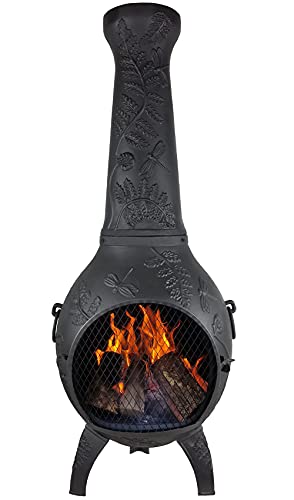 A Chiminea Terracotta Adds Warmth and Ambiance to Your Backyard Patio
Chiminesas add warmth and an atmosphere to your backyard. Its chimney directs smoke upwards to prevent sparks and flames from destroying the surrounding plants and igniting your home or deck.
Chimineas made of clay need to be spiced (broken in) slowly. The initial fires should be relatively small and slow-burning. The sealing of a chiminea is recommended, particularly in rainy climates.
Material
A chiminea can bring charm and warmth to any backyard patio. The pot-belly style of the Chiminea is ideal for entertaining. However, new designs are now available to fit a variety of decor styles. Although clay is the most well-known material, chimineas may also be made of cast iron or aluminum. Each kind of material has its own advantages. While clay is easy to maintain, metal chiminea is more durable and at enduring high temperatures.
Consider the size, design and type of fuel when selecting a Chiminea. Its dimensions should be able to accommodate the amount of wood you'll need to ensure it's burning at a constant temperature. The larger models are more suitable for large gatherings while the smaller ones work better in smaller settings. A chimney is a vent that directs smoke upwards, protecting the area from rain and stopping it from being blown around by strong winds.
The design of the chiminea is unique from other outdoor firepits. The bowl-shaped base supports the flames and protects the flames from rain, wind and debris. The chimney is decorative and allows you to limit the size of flames.
Chimineas made of clay are shaped and molded by hand, then glazed at high temperatures. They are often coated with Ceramic chimineas glaze in order to make them more attractive and durable against weather damage. Some are decorated with Mexican-inspired patterns. These chimineas can be found in garden stores and home improvement centres.
Before lighting a chiminea, you should cover its interior with coarse-grained gravel or sand. Sand reduces smoke and prevents the clay from cracking during firing. After you've covered the base, add a few small pieces of kindling in the center. Use a natural fire lighter like this one from Amazon for a more efficient lighting.
Use a spatula or fork with a long handle to turn the hot embers once you're ready. Don't attempt to cook food directly over hot flames, because this could cause burning and turn black. Start with a small fire and then build it up slowly. Then, lift the pan to the top.
Design
A chiminea is a fire pit that looks a bit like a wide-bottomed potbelly stove with a mouth to hold the fire and an extended, narrow chimney for smoke. The chimney is used to protect the fire from wind and rain which can cause a fire to go out into the open pit. Chimineas have been used for over four hundred years to gather cooking, heating homes and gatherings. They were originally made of clay, these are now available in both traditional and contemporary designs, made of cast iron or Terracotta.
Modern chimneys are often free of the curves of traditional models, they retain the distinctive chimney design. They are available in a wide range of shapes and sizes. They range from 12 to 16 inch diameter at the base, and up to 25 to 30 inches high (including the stand). The chimney is usually 6 feet tall.
The height of the chiminea indoor can be crucial, since it can draw smoke upwards and keep it from bouncing off people or things in your yard. You can also use aromatic woods that smell great as they burn. This enhances the experience.
When choosing a chiminea to buy, choose one made of durable materials that can withstand extreme temperatures. Avoid a model that has decorative elements or other features that could break or crack under the heat. If you decide to use a clay or terracotta chiminea, it should be seasoned by burning small amounts of wood for a period of three to four hours until the clay is able to become cured. The chiminea outdoor must be secured by a lid when not in use to keep water from leaking over the flames and burning.
Cast iron chimineas can withstand higher temperatures and rougher treatment because they are heavier and more durable than clay chiminea models. They also tend to be more versatile since they can burn briquettes or coal in addition to wood. If you're looking for a classic style opt for clay chimineas.
Whatever material you choose, make sure to place your chiminea in a safe area that is away from your home and furniture or plants. The chiminea should be placed at least 10 feet away from any other structures like sheds or fences. Create a patio hearth by using pavers to make an ideal platform to put your chiminea on and make it easier to manage the flame.
Installation
A chiminea adds an entirely new dimension to any outdoor space and is the central point for family gatherings. It is essential to understand the maintenance requirements of a chiminea before purchasing one. Cast iron chimineas are more durable than traditional clay chimineas. However they require a little different care due to their distinct design.
The base of the chiminea first. The bottom should be lined with sand gravel, or lava rock to keep it out of direct contact with the flame. This will help to reduce smoke and keep the chiminea from breaking.
It is also essential to ensure that the chiminea is erected on the ground in a stable and safe place. Do not put it on a deck or other flammable surface. If you have to place it on a flammable area then use a metal grate to elevate the wood. This will shield the chiminea from fire's heat and sparks. fire.
Before you light the chiminea for the first time, it needs to be seasoned by burning several small fires. This will prevent it from cracking when you burn a large amount of wood.
After every fire, thoroughly clean the chiminea by brushing with a wire-bristle brush or a cloth. You must remove any ash or creosote from the inside of the chiminea, too. If these substances aren't removed, they could influence the quality of subsequent fires that you put within it.
When not in use, the chiminea should be covered with a protective cover. This will prevent the clay from getting too wet and squeezing or cracking. If exposed to rain or snow, chimineas can suffer from this type of damage.
The best way to safeguard the chiminea is to have it covered, even during summer. It is also a great idea to have an alternative fuel source for the fire such as wood or propane tanks. It is also a good idea keep a nearby fire extinguisher to eliminate any sudden fires.
Maintenance
To ensure that the chimineas will last as long as they can, they need regular maintenance. This involves cleaning the structure as well as applying protective coatings and properly storing it during off-season to guard against extreme temperatures. Following these steps and the basic guidelines for usage will prolong the life of your chiminea and reduce potential safety hazards.
Chimineas, which are made from clay, could crack when exposed to extreme temperature changes. It is crucial to store your terra-cotta in a place that is dry and secure in the off-season. A cover can help protect it from rain and frost. You should also regularly apply an adhesive on your clay fireplace to protect it from the effects of moisture and temperature fluctuations.
When cleaning a chiminea, it is essential to use non-abrasive tools and a soft cloth or brush to avoid damaging the clay surface. After you've scrubbed the surface rinse it with the help of a hose or bucket. Allow the chiminea time to completely dry before re-using it. This will stop mold and mildew growth, and keep the chiminea looking new.
If there is a crack on your chiminea, it is important to clamp the pieces together. Then apply outdoor oven cement over the crack. You can buy this at the majority of hardware stores. It needs to be applied with an pointing trowel or spatula. The cement should be allowed to fully dry before lighting an experiment fire in the chiminea.
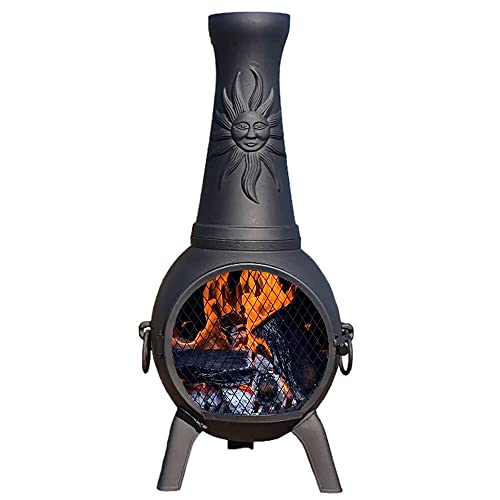 Once the cement has dried, sand the damaged area of your chiminea medium coarse sandpaper to prepare it for repainting. Then, you can paint it with more or less any masonry or household emulsion paint in a shade that matches the rest of your chiminea. If there is any corrosion or rust you can get rid of it by sanding and washing the affected areas with water.
- 이전글Why White Wall Mounted Electric Fireplace Is Harder Than You Think 24.12.02
- 다음글Guide To Black Friday Sofa Sale: The Intermediate Guide On Black Friday Sofa Sale 24.12.02
댓글목록
등록된 댓글이 없습니다.