
Landlord Gas Safety Certificate Isn't As Difficult As You Think
페이지 정보

본문
The Importance of a Landlord Gas Safety Certificate
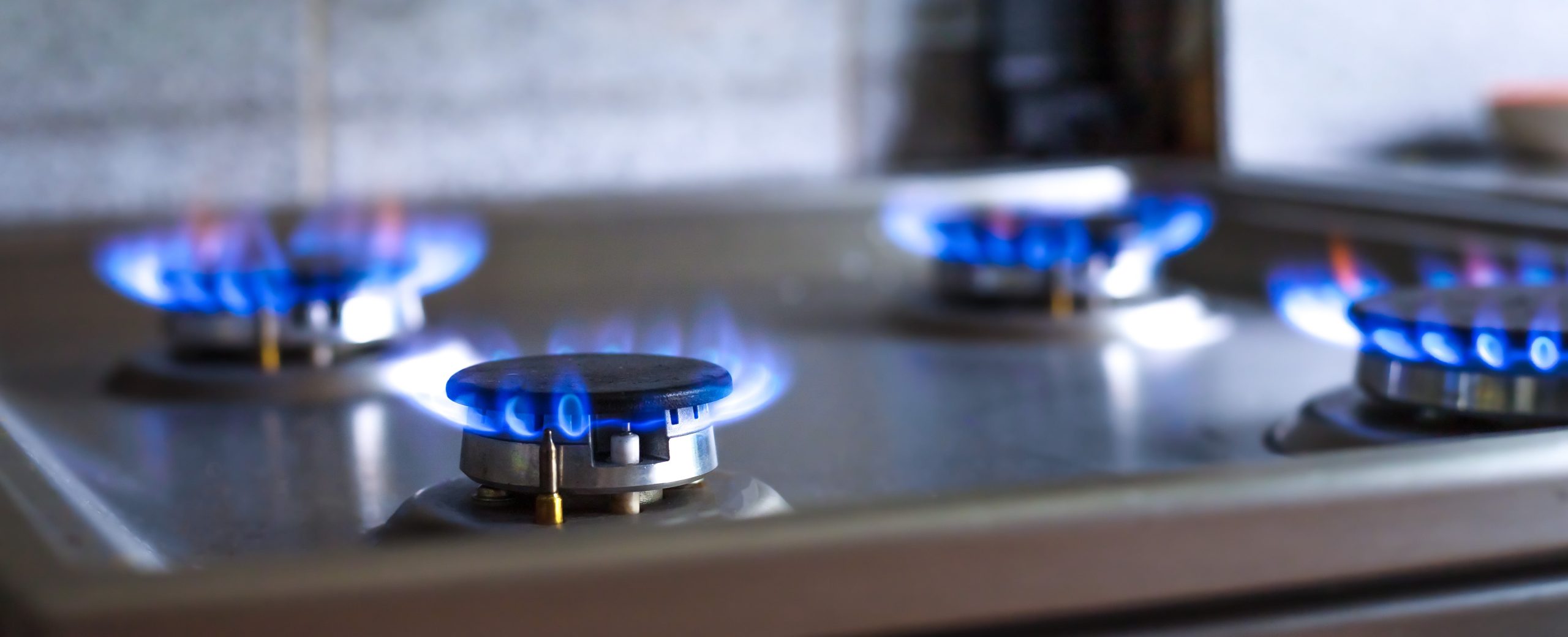 A landlord's gas safety certificate is proof of a licensed engineer who has tested and checked the gas appliances within a property. Landlords are required to provide copies to current tenants within 28 days and to new tenants before they move in.
 A digital record of gas safety can be stored on a smartphone, tablet, or PC and shows the unique identification of the engineer who carried out the check. This could be an electronic signature, a payroll number, or even a name.
Legal Obligations
There are many legal requirements that landlords must meet when it comes to gas safety certificates and they're all important to be aware of. Gas Safe engineers must carry the inspection. This is a requirement that is obvious. The only qualified person who can check that appliances and pipes are safe for use by tenants. The engineer will test every gas appliance within the property and the flue. The engineer will then provide the landlord the Gas Safety Record (CP12).
If a landlord owns several properties, they need to ensure that each is in compliance with the law. The HSE website offers landlords with up-to date, easily accessible guidance regarding their obligations under The Gas Safety (Installation and Use) Regulations and the accompanying Approved code of practice. Leaflets that explain these laws are available for download.
Landlords are required to provide a copy Gas Safety Record to each tenant who resides in their property, as well as any new tenants at the start of their tenure. Landlords also need to keep an original copy of the CP12 for their records.
In addition landlords are also accountable for the maintenance of gas appliances and systems on their premises. If they're not, the property owner has to either repair or replace them. It's also important to note that it's against the law for landlords to let an apartment with defective gas appliances.
It is crucial for landlords to be aware that they must give their tenants at minimum 24 hours notice prior to entering the property to conduct safety or maintenance checks. Landlords must also make sure they are able to gain access to the property without resorting to force.
It is advised that in the event of a dispute, the tenancy agreement include the clause that permits both parties to take action to ensure that the landlord gas safety certificate and boiler service can complete the required maintenance and checks. This could involve calling your local authority or arranging for another gas engineer to visit and inspect the property.
It's also important to remember that a landlord can only serve Section 21 notices on their tenants if they possess a valid Gas Safety Certificate for the property in question. As a result landlords must keep up-to-date with their CP12s and carry out annual inspections. If they fail to do so, the landlord could be fined and even thrown in jail.
Prevents accidents
A gas safety certificate for landlords (git.nazev.Eu) is a vital step to avoid accidents or injuries caused by malfunctioning gas appliances. Regular inspections allow problems to be discovered before they cause serious harm, reducing the chance of costly damage and potential liability claims from tenants. Landlords also get the peace of mind knowing they are meeting their legal obligations and protecting their reputation as a responsible property rental business.
Gas Safe Certificates are official documents that prove landlords have met the legal obligations of UK law. It is issued by an engineer who is registered and includes information about the address of the property, information of the appliances or installations which have been inspected and whether they have been able to pass or fail the safety checks. The engineer must sign the document and issue it within 48 hours after the examination.
Failing to meet gas regulations can have severe consequences for landlords. Local authorities could punish landlords and fine them when there is an accident or injury caused by the use or misuse of mains-gas in the property. Landlords are also at risk of losing their professional reputation in the marketplace and could struggle to find new tenants if they aren't in compliance with all laws governing their property rentals.
Gas Safety Regulations requires that landlords conduct annual inspections of all gas appliances within their properties. The landlords must also give copies of the documents to tenants and keep detailed records. This record-keeping is important because it can help landlords prove they are in compliance with their legal obligations and shield themselves from fines or prosecution.
Some tenants might refuse to allow access to their home to conduct a safety inspection. Some tenants might feel that it's an intrusion into their privacy or that it's unnecessary. But it's essential to ensure their safety. Landlords must explain this to tenants and emphasize that carbon monoxide is odorless, tasteless, and colorless and therefore difficult to detect without a thorough inspection.
If tenants do not cooperate, landlords may think about writing a letter to them explaining why they require access and what is a gas safety certificate will be involved in the inspection. If they still refuse to allow the engineer in, they should consider expulsion using the Section 21 notice.
Avoids Fines
Gas inspections are one of the most important safety regulations that landlords must follow. Infractions to these rules could result in heavy fines, or even imprisonment. It is vital to any rental property's success that you meet these standards. Fortunately there are a few simple steps landlords can take to ensure compliance and avoid costly errors.
The first step is to ensure that all gas appliances and installations have been checked and maintained by a certified engineer. This will ensure that the equipment is safe to be used by tenants. Keep all records of these checks for future use. The landlord should also give a copy to each tenant on request.
Another important step is to check that the Gas Safe Register engineer has the proper credentials to conduct the inspection and issue the certificate. If the landlord employs an unqualified engineer they could be subject to significant penalties or even imprisonment.
Last but not least, landlords should make sure that they obtain a new gas safety certificate before the current one expires. This will help avoid any issues arising from overlapping dates and ensure that all inspections are performed on time.
While the importance of gas and electrical safety certificates is obvious however, it's not always simple to navigate the complex regulations. By understanding these rules and following the best practices landlords will be able to avoid costly mistakes that could put their tenants in danger.
In addition to legal consequences landlords can also face expensive costs from tenants injured by faulty appliances. Most insurance policies for landlords don't cover accidents that occur in properties with an expired gas safety certificate or non-existent one. It is important that landlords are current with all gas and electrical safety regulations, and obtain an official certificate prior to renting their properties. If you're a property owner, contact Pro Checks today for all your landlord safety certificate needs! We're a London-based team professionals dedicated to offering prompt service and attention to details, all at affordable prices.
Peace of Mind
Landlords can rest assured that their property is secure when they comply with local safety standards and regulations. This gives them peace of mind and allows them to concentrate on the business of renting out properties. Landlords who have a good track record of gas inspections and certifications are likely to see demand for their properties increase and result in long-term tenancies and steady rental income.
Gas safety regulations are extremely important, and landlords must keep a current certificate. It also protects them against legal disputes with tenants about malfunctioning appliances, and may prevent them from paying hefty fines by regulatory bodies.
Landlords have a variety of options to conduct safety checks and issue certificates. They should verify local regulations to make sure they are in compliance with all regulations. It is recommended that Gas Safe registered engineers complete the inspections. They have undergone rigorous training and assessment. They possess the skills and expertise required to conduct thorough inspections of all gas appliances.
After the inspection is completed, the engineer will issue a Landlord Gas Safety Record or gas safety certificate for landlords. The document will include the date of the inspection, the specifics of the appliances that were inspected and the engineer's registration number as well as name. It will also list any faulty appliances and provide suggestions on how to correct the issue. Landlords are required to provide the copy of this document to current tenants within 28 days after the date of the date of the check or prior to when new tenants move in.
Regular maintenance of gas appliances can help landlords avoid costly repairs down the line. It is essential to schedule regular maintenance and inspections to ensure that any problems can be quickly identified. This will prolong the life of the appliance and will save you money in the long run.
A landlord looking to provide their tenants with peace of mind, they should have all chimneys and gas appliances checked by certified experts and obtain a valid Certificate of Gas Safety. This will enable them to avoid costly repairs and fines for non-compliance, in addition to enhancing their reputation as a responsible landlord.
A landlord's gas safety certificate is proof of a licensed engineer who has tested and checked the gas appliances within a property. Landlords are required to provide copies to current tenants within 28 days and to new tenants before they move in.A digital record of gas safety can be stored on a smartphone, tablet, or PC and shows the unique identification of the engineer who carried out the check. This could be an electronic signature, a payroll number, or even a name.Legal Obligations
There are many legal requirements that landlords must meet when it comes to gas safety certificates and they're all important to be aware of. Gas Safe engineers must carry the inspection. This is a requirement that is obvious. The only qualified person who can check that appliances and pipes are safe for use by tenants. The engineer will test every gas appliance within the property and the flue. The engineer will then provide the landlord the Gas Safety Record (CP12).
If a landlord owns several properties, they need to ensure that each is in compliance with the law. The HSE website offers landlords with up-to date, easily accessible guidance regarding their obligations under The Gas Safety (Installation and Use) Regulations and the accompanying Approved code of practice. Leaflets that explain these laws are available for download.
Landlords are required to provide a copy Gas Safety Record to each tenant who resides in their property, as well as any new tenants at the start of their tenure. Landlords also need to keep an original copy of the CP12 for their records.
In addition landlords are also accountable for the maintenance of gas appliances and systems on their premises. If they're not, the property owner has to either repair or replace them. It's also important to note that it's against the law for landlords to let an apartment with defective gas appliances.
It is crucial for landlords to be aware that they must give their tenants at minimum 24 hours notice prior to entering the property to conduct safety or maintenance checks. Landlords must also make sure they are able to gain access to the property without resorting to force.
It is advised that in the event of a dispute, the tenancy agreement include the clause that permits both parties to take action to ensure that the landlord gas safety certificate and boiler service can complete the required maintenance and checks. This could involve calling your local authority or arranging for another gas engineer to visit and inspect the property.
It's also important to remember that a landlord can only serve Section 21 notices on their tenants if they possess a valid Gas Safety Certificate for the property in question. As a result landlords must keep up-to-date with their CP12s and carry out annual inspections. If they fail to do so, the landlord could be fined and even thrown in jail.
Prevents accidents
A gas safety certificate for landlords (git.nazev.Eu) is a vital step to avoid accidents or injuries caused by malfunctioning gas appliances. Regular inspections allow problems to be discovered before they cause serious harm, reducing the chance of costly damage and potential liability claims from tenants. Landlords also get the peace of mind knowing they are meeting their legal obligations and protecting their reputation as a responsible property rental business.
Gas Safe Certificates are official documents that prove landlords have met the legal obligations of UK law. It is issued by an engineer who is registered and includes information about the address of the property, information of the appliances or installations which have been inspected and whether they have been able to pass or fail the safety checks. The engineer must sign the document and issue it within 48 hours after the examination.
Failing to meet gas regulations can have severe consequences for landlords. Local authorities could punish landlords and fine them when there is an accident or injury caused by the use or misuse of mains-gas in the property. Landlords are also at risk of losing their professional reputation in the marketplace and could struggle to find new tenants if they aren't in compliance with all laws governing their property rentals.
Gas Safety Regulations requires that landlords conduct annual inspections of all gas appliances within their properties. The landlords must also give copies of the documents to tenants and keep detailed records. This record-keeping is important because it can help landlords prove they are in compliance with their legal obligations and shield themselves from fines or prosecution.
Some tenants might refuse to allow access to their home to conduct a safety inspection. Some tenants might feel that it's an intrusion into their privacy or that it's unnecessary. But it's essential to ensure their safety. Landlords must explain this to tenants and emphasize that carbon monoxide is odorless, tasteless, and colorless and therefore difficult to detect without a thorough inspection.
If tenants do not cooperate, landlords may think about writing a letter to them explaining why they require access and what is a gas safety certificate will be involved in the inspection. If they still refuse to allow the engineer in, they should consider expulsion using the Section 21 notice.
Avoids Fines
Gas inspections are one of the most important safety regulations that landlords must follow. Infractions to these rules could result in heavy fines, or even imprisonment. It is vital to any rental property's success that you meet these standards. Fortunately there are a few simple steps landlords can take to ensure compliance and avoid costly errors.
The first step is to ensure that all gas appliances and installations have been checked and maintained by a certified engineer. This will ensure that the equipment is safe to be used by tenants. Keep all records of these checks for future use. The landlord should also give a copy to each tenant on request.
Another important step is to check that the Gas Safe Register engineer has the proper credentials to conduct the inspection and issue the certificate. If the landlord employs an unqualified engineer they could be subject to significant penalties or even imprisonment.
Last but not least, landlords should make sure that they obtain a new gas safety certificate before the current one expires. This will help avoid any issues arising from overlapping dates and ensure that all inspections are performed on time.
While the importance of gas and electrical safety certificates is obvious however, it's not always simple to navigate the complex regulations. By understanding these rules and following the best practices landlords will be able to avoid costly mistakes that could put their tenants in danger.
In addition to legal consequences landlords can also face expensive costs from tenants injured by faulty appliances. Most insurance policies for landlords don't cover accidents that occur in properties with an expired gas safety certificate or non-existent one. It is important that landlords are current with all gas and electrical safety regulations, and obtain an official certificate prior to renting their properties. If you're a property owner, contact Pro Checks today for all your landlord safety certificate needs! We're a London-based team professionals dedicated to offering prompt service and attention to details, all at affordable prices.
Peace of Mind
Landlords can rest assured that their property is secure when they comply with local safety standards and regulations. This gives them peace of mind and allows them to concentrate on the business of renting out properties. Landlords who have a good track record of gas inspections and certifications are likely to see demand for their properties increase and result in long-term tenancies and steady rental income.
Gas safety regulations are extremely important, and landlords must keep a current certificate. It also protects them against legal disputes with tenants about malfunctioning appliances, and may prevent them from paying hefty fines by regulatory bodies.
Landlords have a variety of options to conduct safety checks and issue certificates. They should verify local regulations to make sure they are in compliance with all regulations. It is recommended that Gas Safe registered engineers complete the inspections. They have undergone rigorous training and assessment. They possess the skills and expertise required to conduct thorough inspections of all gas appliances.
After the inspection is completed, the engineer will issue a Landlord Gas Safety Record or gas safety certificate for landlords. The document will include the date of the inspection, the specifics of the appliances that were inspected and the engineer's registration number as well as name. It will also list any faulty appliances and provide suggestions on how to correct the issue. Landlords are required to provide the copy of this document to current tenants within 28 days after the date of the date of the check or prior to when new tenants move in.
Regular maintenance of gas appliances can help landlords avoid costly repairs down the line. It is essential to schedule regular maintenance and inspections to ensure that any problems can be quickly identified. This will prolong the life of the appliance and will save you money in the long run.
A landlord looking to provide their tenants with peace of mind, they should have all chimneys and gas appliances checked by certified experts and obtain a valid Certificate of Gas Safety. This will enable them to avoid costly repairs and fines for non-compliance, in addition to enhancing their reputation as a responsible landlord.
- 이전글Guide To Lawyer Injury Accident: The Intermediate Guide In Lawyer Injury Accident 24.12.01
- 다음글Способы использования биткоин-банкоматов для обмена 24.12.01
댓글목록
등록된 댓글이 없습니다.